
Click here to watch a video "visual summary" of this Innovation.
Ali Pourahmad's Inventions | Category: New inventions in the world | Related: Scientific discoveries and technological inventions
Plasma stability timing control using two tokamak nuclear fusion reactors to create an alternating cycle in energy production | Generating electricity using nuclear fusion in a tokamak reactor
◉ Innovation: Plasma stability in nuclear fusion reaction by creating an alternating cycle of energy production in a tokamak reactor
◉ Inventor and Patent Owner: Ali Pourahmad
◉ Category: New inventions of inventors in the world
◉ Introduction and objectives:
In this article, we briefly describe the idea of exploiting the energy released from plasma stability on a short timescale using two tokamak nuclear fusion reactors with the aim of creating an alternating cycle in energy production.
The use of nuclear reactions to release energy is done in two ways: nuclear fusion and nuclear fission. Each of these two methods has a completely different process. In the traditional fission method, we succeed in releasing energy by separating and breaking heavy elements in an atom through neutron bombardment of a large and heavy isotope, but in the newer method which is fusion, we bring lighter elements closer together so that the fusion process takes place by colliding and combining two nuclei (positive ions) into a larger and heavier atom. With this simple definition of how the nuclear reaction occurs in these two methods, we can understand the fundamental difference in the linear arrangement of these technologies. What is clear is the possibility of extracting very clean and safe energy from nuclear fusion technology, which has been accepted by everyone as a popular and environmentally friendly method. So, developing nuclear fusion technology seems more beneficial compared to the potential risks of radioactive waste in the nuclear fission method.
◉ Innovation: Plasma stability in nuclear fusion reaction by creating an alternating cycle of energy production in a tokamak reactor
◉ Inventor and Patent Owner: Ali Pourahmad
◉ Category: New inventions of inventors in the world
Although in both fission and fusion, a huge amount of energy is released from the breaking or merging of atoms (because the mass of the final nucleus is less than the sum of the masses of the initial particles), the important difference between these two methods is that in the fusion technology process, we achieve four times more productive power in energy extraction, which has attracted the attention of the majority of energy production companies, in addition to not having the risks of radioactive waste. The fuel required for a nuclear fusion reactor is the clean and safe isotopes of tritium (hydrogen 3) and deuterium (hydrogen 2), which have a clean and safe output of neutron and helium isotopes, while the isotopes that have the property of being fissile and creating a chain cascade reaction in the fission method are the elements uranium 235 and plutonium 239, which are considered high-risk isotopes because in the nuclear decay reaction, an unstable element emits radioactive radiation after converting into several other elements (multiplication of daughter nuclei with more stable mass and energy than the parent).
Of course, humans still need radioisotopes derived from uranium for radiation therapy in some cases (the treatment of diseases such as cancer). Radioactive isotopes of uranium-235, such as molybdenum-99, are the basis of nuclear medical scanning imaging technology, or the analysis of chemical compositions of food and the detection of harmful food contaminants is possible only by using some radioactive isotopes of uranium. Also, in the fields of geology and archaeology or other industrial uses, uranium is used as one of the structural elements in the operational cycle of these fields. Therefore, the diverse and essential uses of uranium isotopes outside the field of energy production cannot be ignored, but given the high volume of interactions of nuclear fission technology to create the huge energy required for electricity generation, there is always the possibility that if nuclear fission technology continues and expands purely for energy production, the world will face the dangers of radiation and radioactive waste residues and possible accidents related to its storage in the not too distant future.
◉ Innovation: Plasma stability in nuclear fusion reaction by creating an alternating cycle of energy production in a tokamak reactor
◉ Inventor and Patent Owner: Ali Pourahmad
◉ Category: New inventions of inventors in the world
Despite such possible consequences regarding the risks of the expansion of large nuclear fission reactors, perhaps one of the most logical solutions at present is to continue research and development on clean and risk-free nuclear fusion technology, especially since the amount of energy produced by the fusion method is much greater than the fission method. However, despite the continuous efforts of nuclear energy experts and engineers around the world, it seems that there is still a long way to go before reaching the goal of commercializing this technology and creating a self-sustaining fusion cascade chain in plasma. The hydrogen plasma created in a fusion reactor must contain three triple product indices, including sufficient temperature, appropriate density, and a long retention time, so that the subsequent and continuous chain of reactions can occur in the reactor. So far, various theories have been proposed to create a continuous reaction cycle in the scientific development stage of fusion, but the problem of long-term control of the plasma density and the path of the plasma flow remains. In other words, the main and important challenge that has prevented humanity from achieving continuous energy from clean fusion technology to date is the inability to prevent the leakage of high-energy particles inside fusion reactors, as this prevents the density and temperature of the plasma from increasing to maintain a chain reaction in a self-sustaining nuclear fusion cascade.
One of the reasons that has made the use of the traditional method of nuclear fission technology to generate electricity widespread is that by adjusting the use of control rods, the neutrons released from the fission reaction lead to the continuation of the alternating cycle of subsequent and stable chain reactions in this technology, which is an important characteristic for generating electricity. However, with the latest development in nuclear fusion technology, such a chain reaction is not possible in the produced plasma. This has led to the fact that, despite the much greater energy production capacity of nuclear fusion technology, it is currently not possible to continuously use the energy produced by this technology to generate electricity. Given this limitation, I have created a simple idea for creating an intermittent cycle of energy production in the nuclear fusion method, which certainly requires expert review and detailed engineering tests to confirm its operational capability. Therefore, the idea and solution I've described in this article do not represent an experiment or a proven technical characteristic. I have only tried to analyze the possibility of operationalizing continuous energy production using a time shift between two tokamak fusion reactors based on nuclear engineering documentation and provide a solution to overcome this limitation. Perhaps this idea can help expand team thinking to provide more solutions to overcome this challenge.
◉ Innovation: Plasma stability in nuclear fusion reaction by creating an alternating cycle of energy production in a tokamak reactor
◉ Inventor and Patent Owner: Ali Pourahmad
◉ Category: New inventions of inventors in the world
◉ Additional explanation of the idea:
Although the solution presented in this article is not to change or add a new system to the nuclear fusion reaction process, for those interested who have a brief knowledge of how the nuclear fusion process works, some details of the main parts of the nuclear fusion process (related to the idea presented in this article) are also briefly mentioned for a better understanding. As we know, various methods and reactors are used to create nuclear fusion, but to implement the idea of this article, I have used the method of plasma confinement in a Tokamak reactor. A Tokamak is a type of reactor for performing nuclear physics interactions with the aim of confining and stabilizing ionized plasma gas. Plasma confinement in this reactor is carried out using two series of confining magnetic fields embedded inside the reactor torus. These magnetic fields confine the plasma in the middle and around the vertical axis of the reactor center and try to stabilize the plasma gas. The main reason for using magnetic fields to contain plasma is the very high temperature of the plasma in the steady state, which, depending on the type of fusion reactor system, is between 30 and 100 million degrees Celsius, the temperature of the plasma stability range. The stability of the plasma at such high temperatures creates the conditions for nuclear fusion, and it is clear that at such high temperatures, except for powerful magnetic fields, no other solid material can contact the plasma and survive.
◉ Innovation: Plasma stability in nuclear fusion reaction by creating an alternating cycle of energy production in a tokamak reactor
◉ Inventor and Patent Owner: Ali Pourahmad
◉ Category: New inventions of inventors in the world
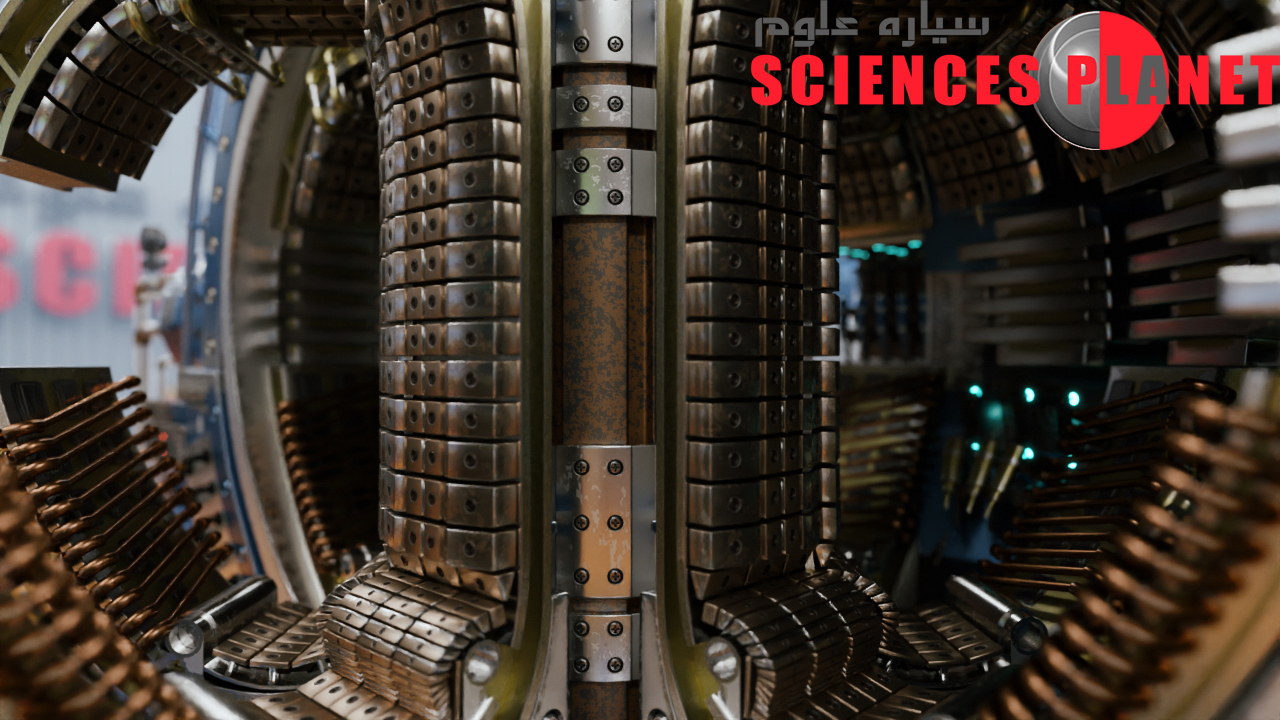
The main tokamak cabin is a toroidal magnetic chamber which the initial design of it, dates back to 1951 and over time, engineers have tried to reduce the energy loss coefficient and the thermal and mechanical stresses imposed on the tokamak reactor structure by structural improvements. With a few differences, almost all current tokamaks start with a similar cycle. First, the inner chamber is suctioned of any air and impurities and conditions with a pressure equivalent to vacuum are created in the reactor. Then, gaseous fuel is introduced into the chamber and at the same time, a very strong electric voltage is created in the chamber to decompose and ionize the gas. At this stage, electrons are ejected from the atomic nucleus and create plasma gas particles which when these particles collide with each other, they increase the temperature of the plasma (for as long as the stability chain is maintained). The important point at this stage is that if the plasma particles use convex magnetic field lines, there is a greater potential and probability for the stability of the plasma chain which is the reason for the conventional use of spherical tokamak reactors.
◉ Innovation: Plasma stability in nuclear fusion reaction by creating an alternating cycle of energy production in a tokamak reactor
◉ Inventor and Patent Owner: Ali Pourahmad
◉ Category: New inventions of inventors in the world
Plasma stability is usually achieved by three methods of confinement: gravitational confinement, magnetic confinement, and inertial confinement. Currently, it is not possible to use the method of confinement of plasma through gravity on Earth because it is not possible to operate it on Earth due to the need to combine high density in mass with very high temperature, (creating a pressure equivalent to 400 billion times greater than the Earth's atmosphere), and this complex physical combination can only occur inside burning and large stars such as the Sun. However, in the conventional method of magnetic confinement (MCF), it is possible to achieve plasma stability with a small amount of deuterium and tritium fuel (density less than one milligram at a pressure of only a few atmospheres) by creating an induced current and ionizing the fuel to convert it into plasma gas by a tokamak reactor. In the confinement method through inertial confinemen, laser and ion beams are focused in a calculated and precise manner on the outer layer of deuterium and tritium fuel (a few millimeters in diameter) so that the fuel core becomes thousands of times more compact than its initial density and the conditions for fusion to occur in the nuclear reaction are provided.
Typically, the equilibrium in the plasma gas is a result of the balance between the internal pressure of the plasma and the resultant external forces in the vacuum chamber of the tokamak reactor. The stability or deviation from the equilibrium equation is directly related to three main parts in all tokamak reactors, which include: the torus coil, the temperature generation system, and the space control system for the plasma shape. In other words, confinement, heating, space control, and also the shape of the plasma are determined and carried out by these three main parts. The main cabin (chamber) of the plasma confinement is actually an arrangement of complex magnetic field structures, and around this torus-shaped chamber, torus and pole coils are designed and mounted. The constant current passes through the torus coil and the ionized particles rotate around the field in this coil and by passing an electric voltage through the central coil, the process of creating plasma in the torus is completed. The field caused by the plasma flow is a polar magnetic field, and the resulting result is perpendicular to the field and in the form of a spiral, which causes the magnetic field lines to twist around the plasma and creates a magnetic wall around the plasma. By increasing the strength of the magnetic field around the confined plasma, the pressure on the plasma also increases, and by controlling the amount and direction of the flow in the polar coils, we can confine the plasma gas for a certain period of time and keep it in equilibrium in place and shape. However, to reach the stage of the fusion process and create a self-sustaining ignited plasma chain, we need to create very high temperatures of 30 to 100 million degrees Kelvin.
◉ Innovation: Plasma stability in nuclear fusion reaction by creating an alternating cycle of energy production in a tokamak reactor
◉ Inventor and Patent Owner: Ali Pourahmad
◉ Category: New inventions of inventors in the world
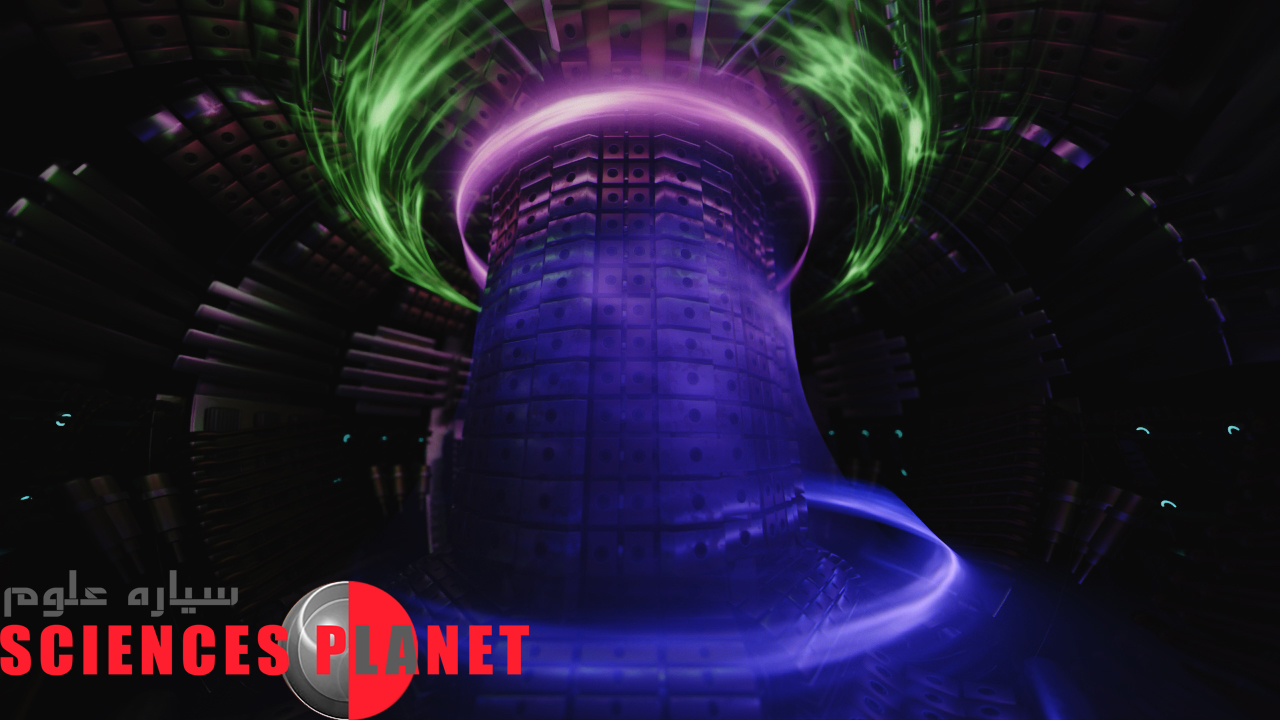
In tokamak reactors, the plasma position is unstable and nonlinear, and therefore there are serious challenges in controlling the plasma position. Given the D-shaped physical structure in tokamak reactors, the stability of the plasma position is related to many parameters, including the amount of current and the size of the plasma input reference position. If we add other necessary settings to these parameters, a tokamak reactor system usually has several operating points, and this is why the plasma position control is performed using intelligent and manual controllers intermittently under varying and different conditions to ensure maximum desired performance in different operating ranges. The primary goal of the control system is to ensure that the plasma does not collide with the walls of the vacuum chamber and maintains its D-shape and specific cross-section so that the fusion process can be controlled. But the next challenge ahead is that in a tokamak reactor with a D-shaped cross-section, the vertical position of the plasma column is completely unstable. On the other hand, the high pressure of magnetic forces to create tension in the plasma increases the instability in the vertical position of the plasma, although this tension itself reduces the physical instability of the plasma and increases its flow. However, the use of a closed-loop control system with current control in the polar coils has not yet been able to keeping the plasma temperature stability process for a long time in a stable cycle of the nuclear fusion reaction of atoms.
◉ Click on any of the gallery images below to enlarge:
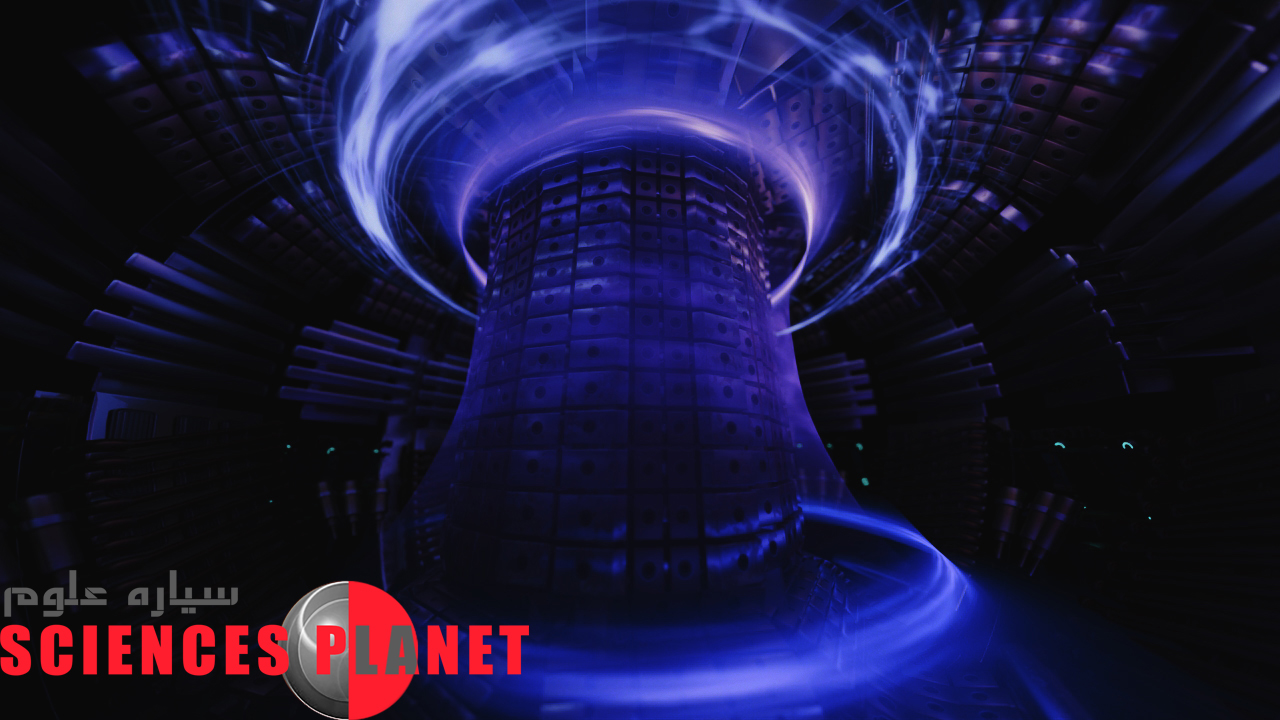
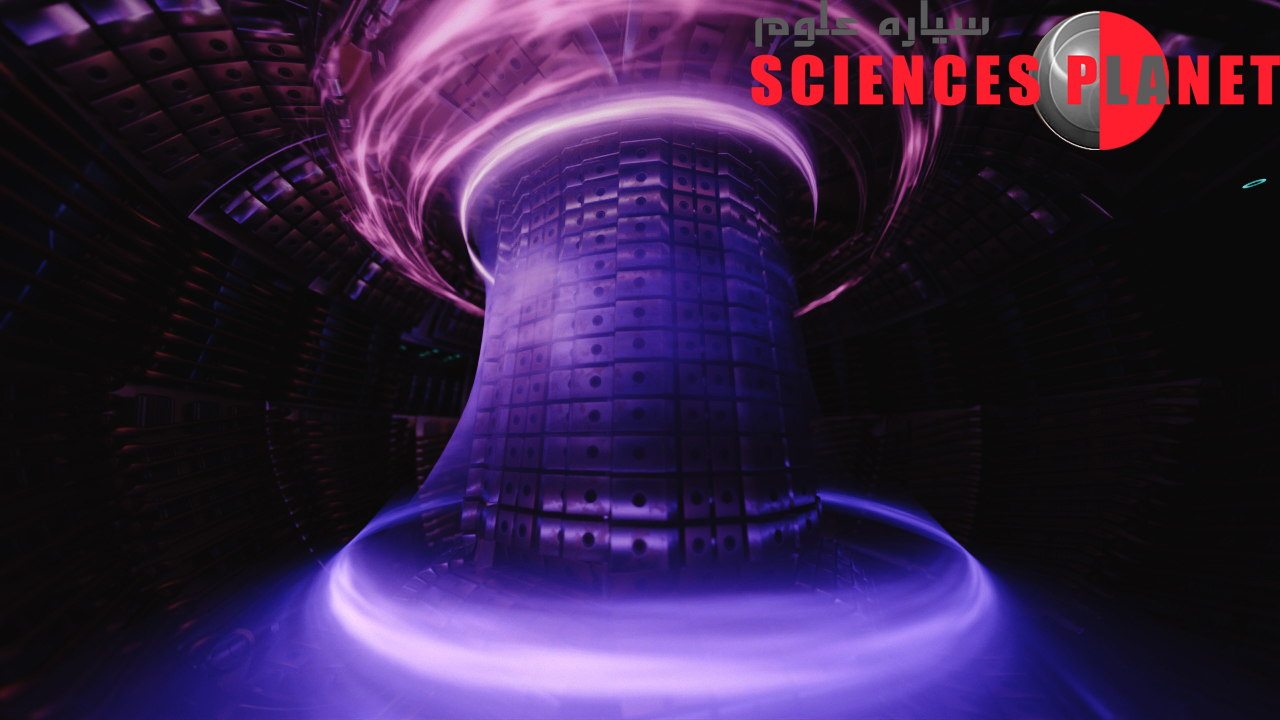
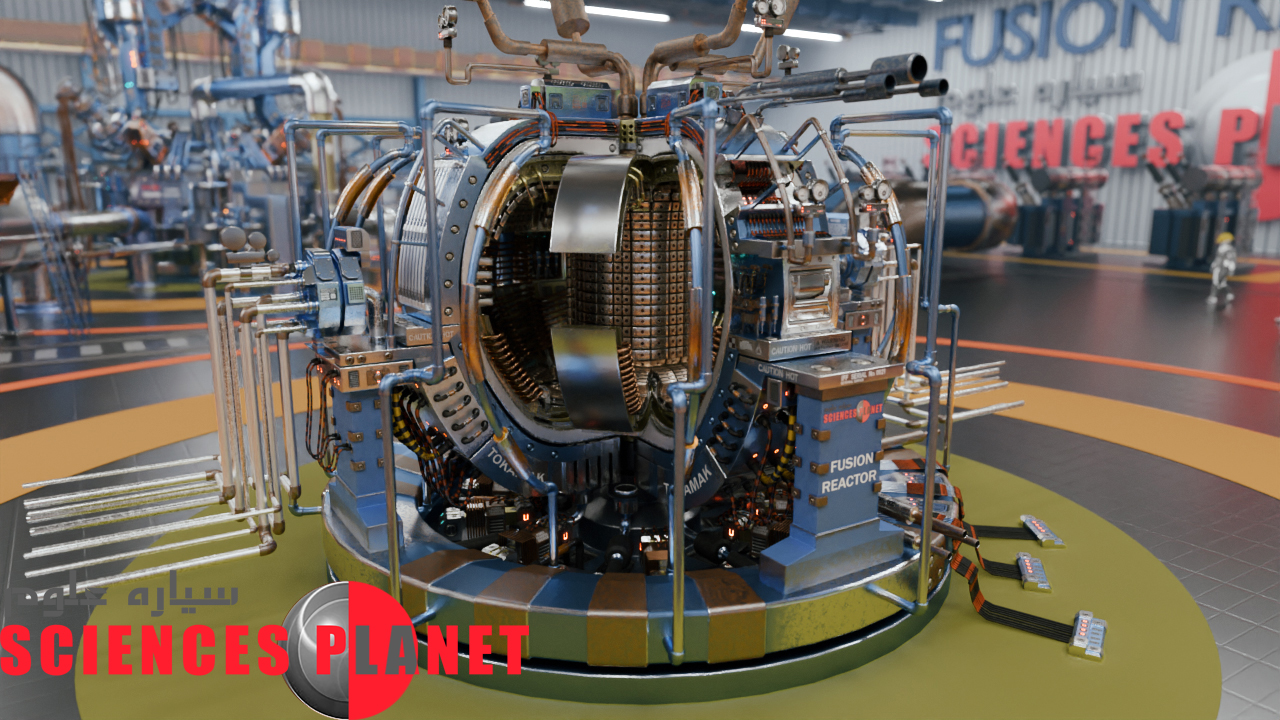
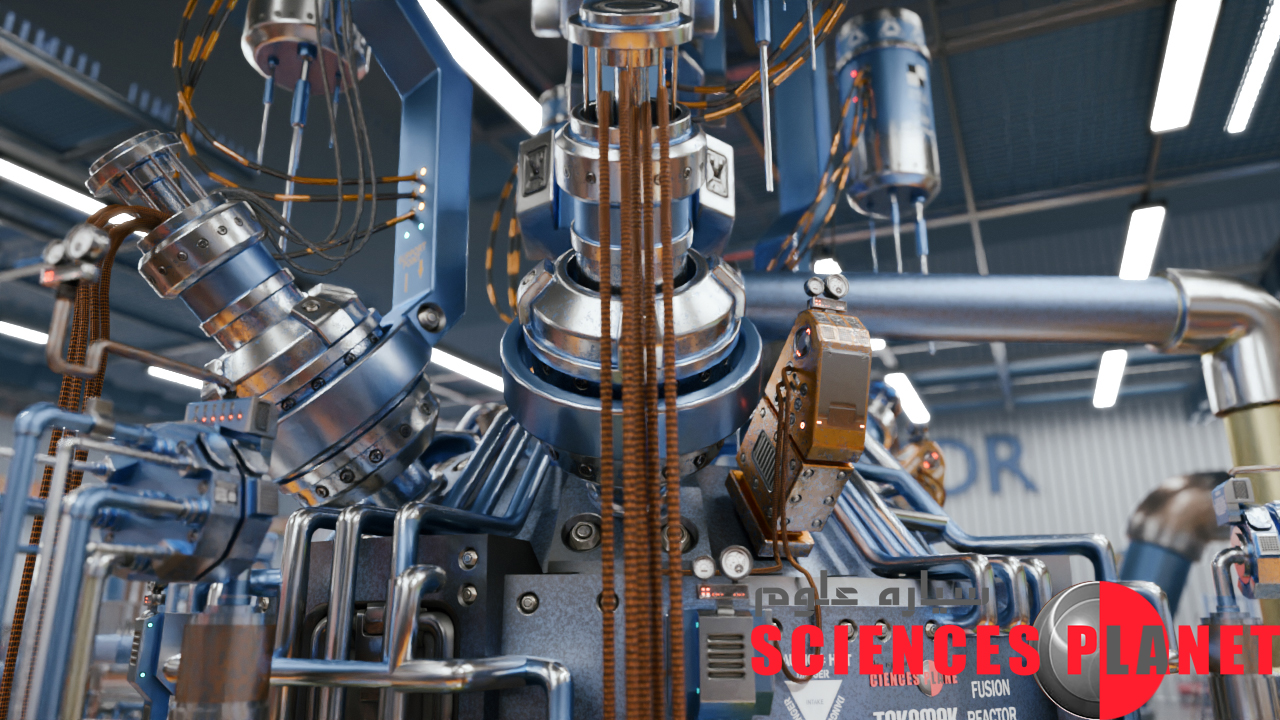
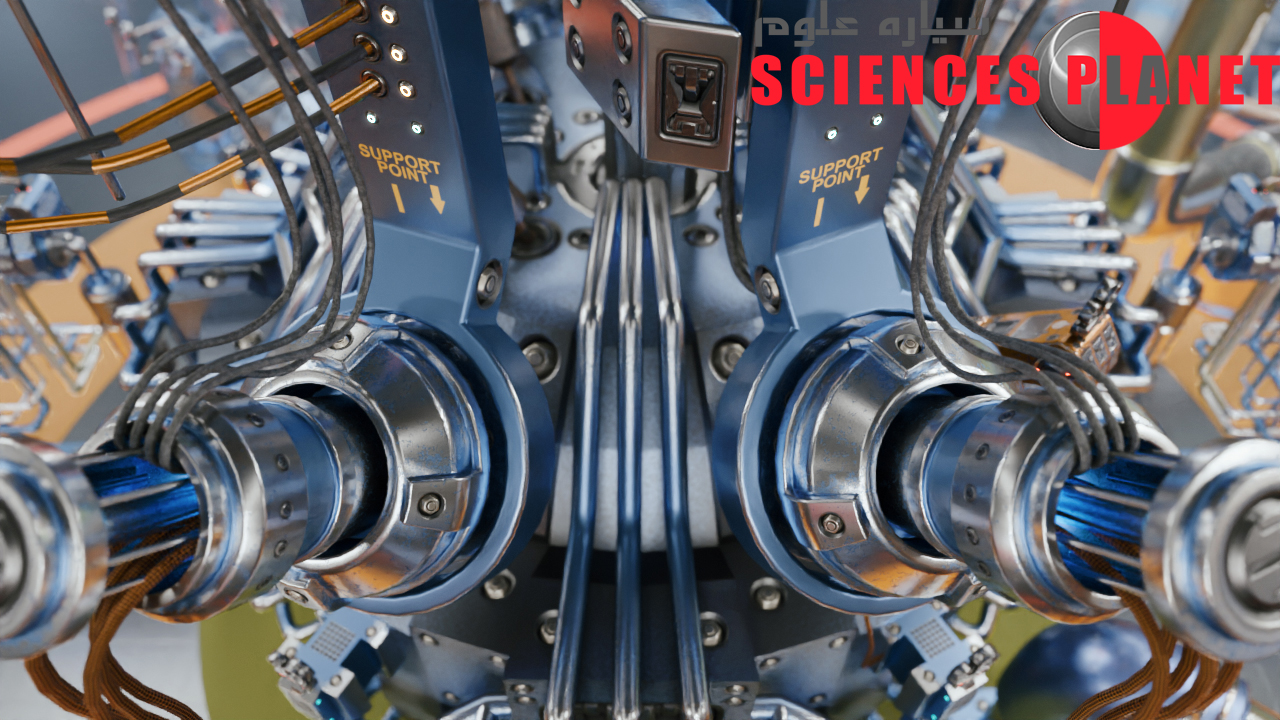
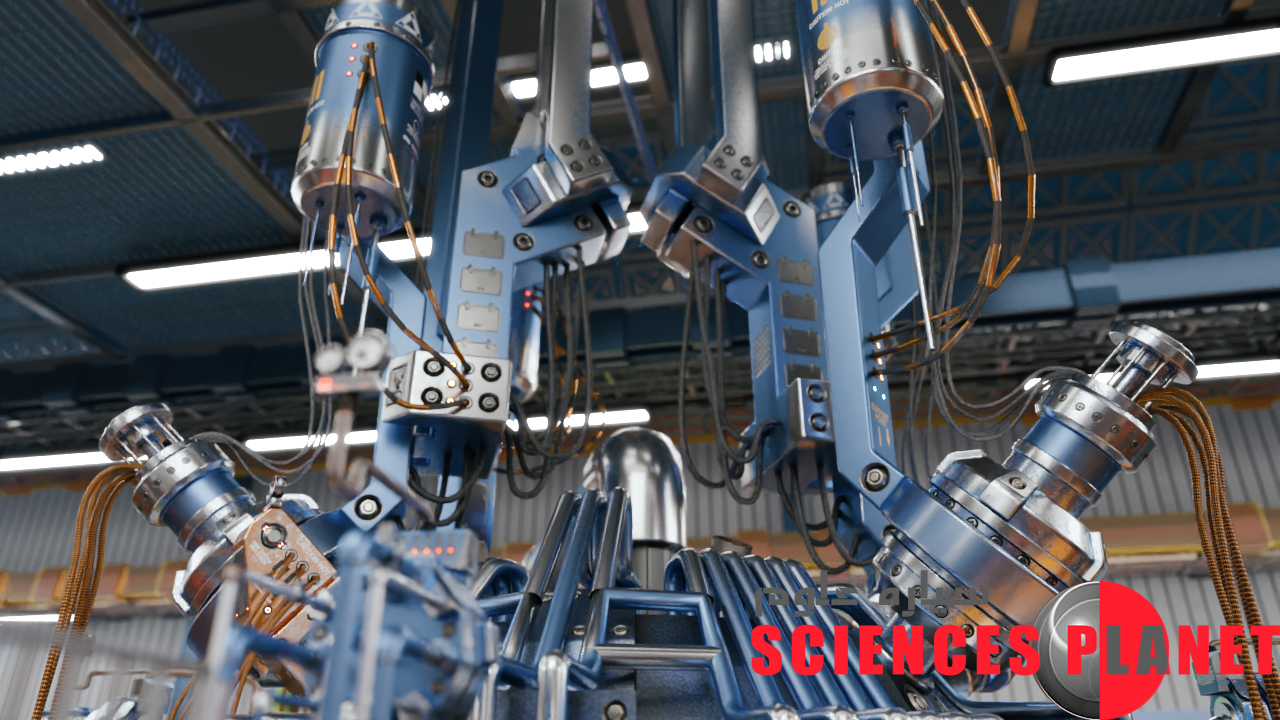
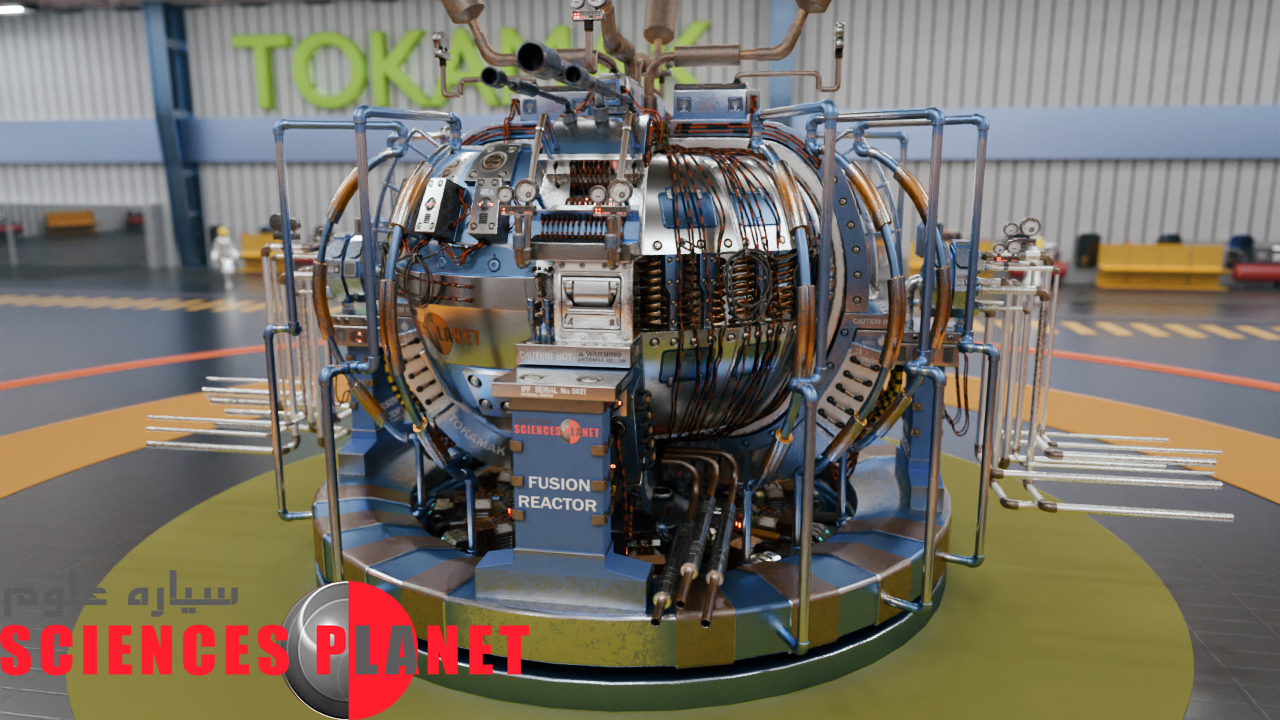
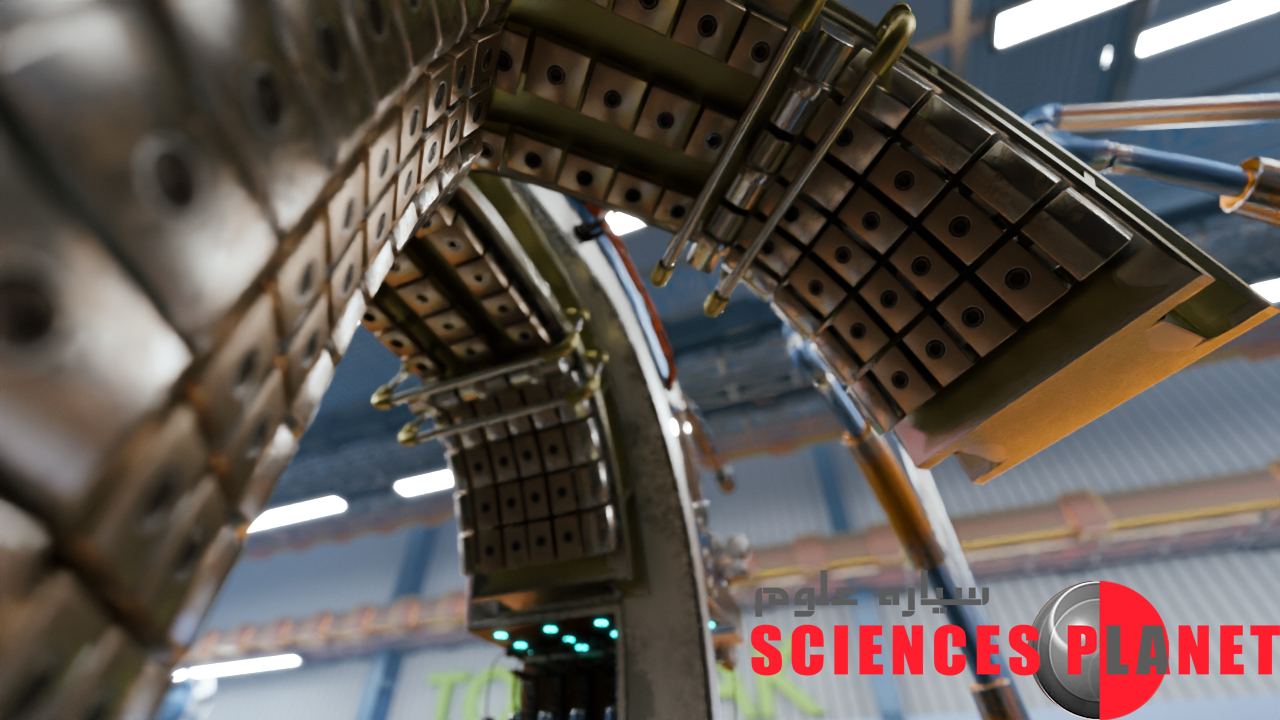
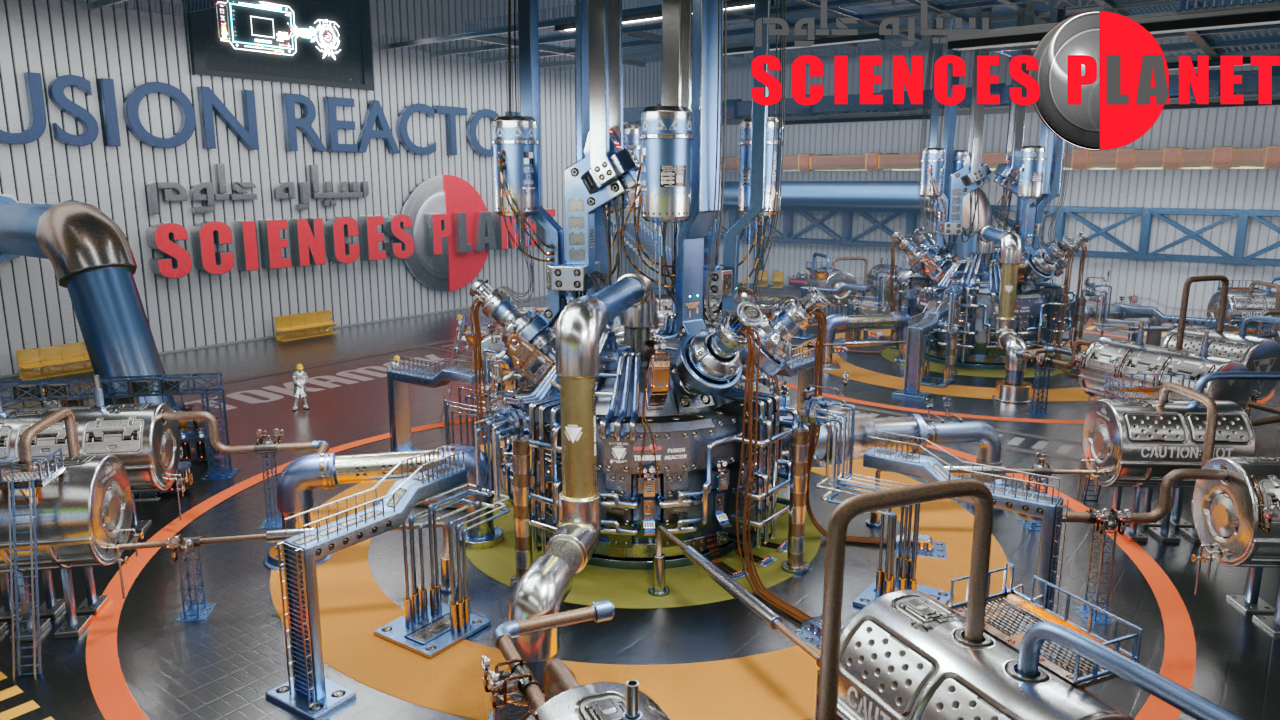
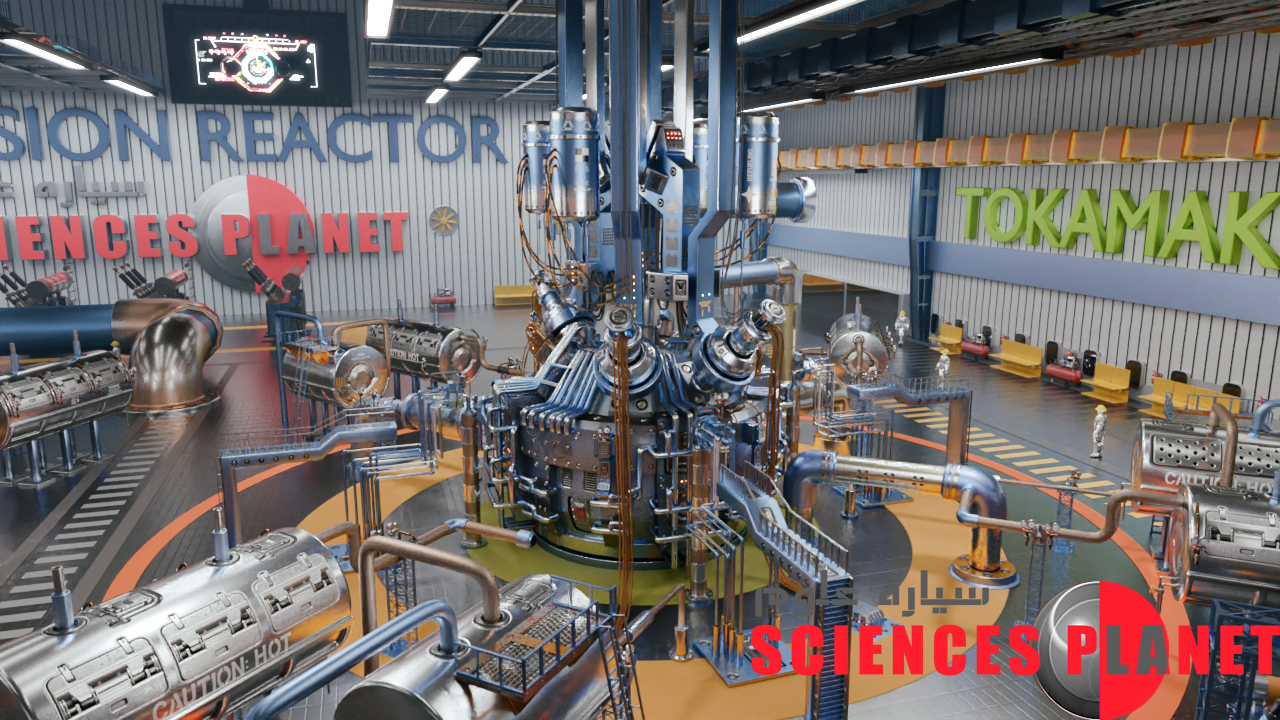
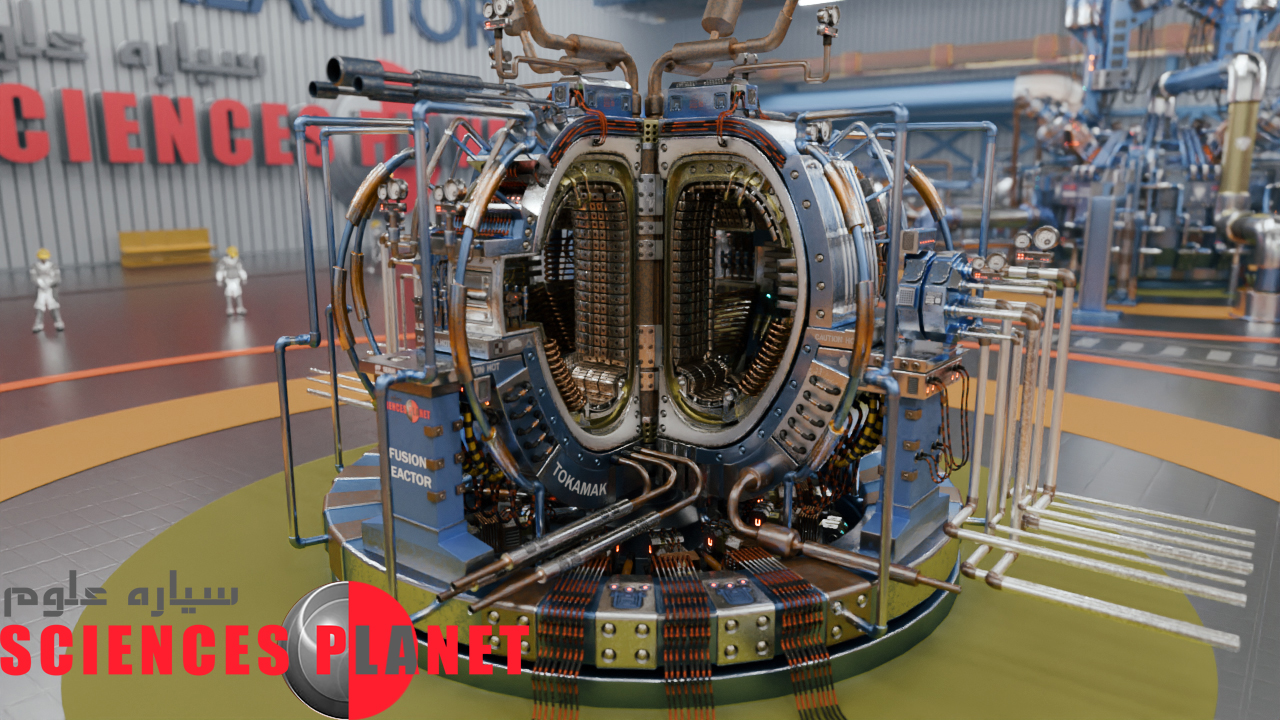
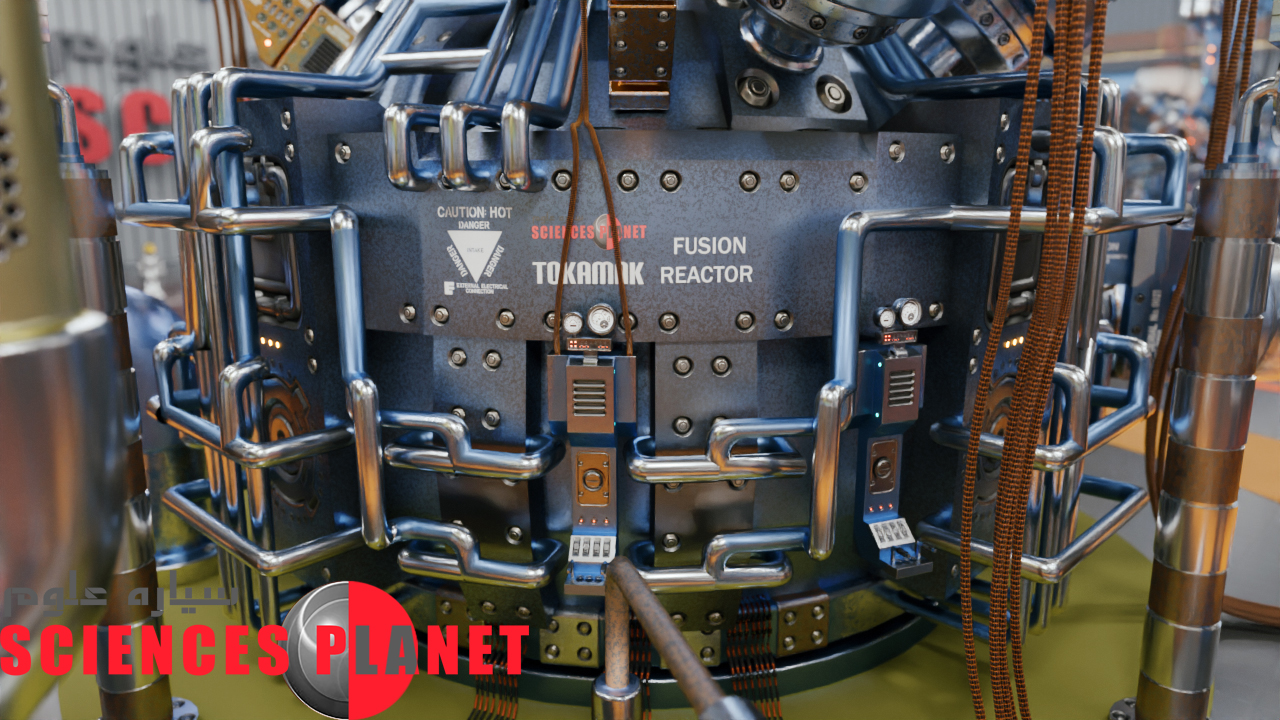
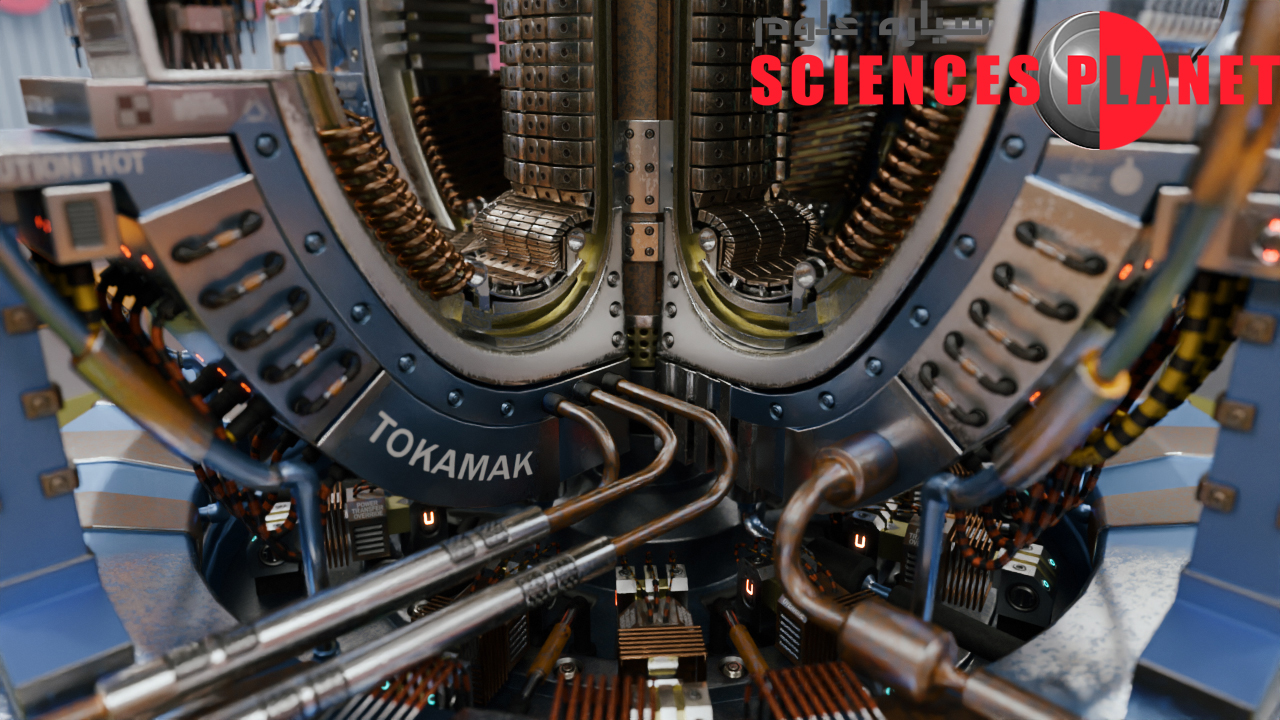
Given the purpose of this article, which is to present a new solution for stabilizing the intermittent cycle of energy extraction from variable plasma, the extensive topic of nuclear fusion fuel and closed internal and external cycles is beyond the scope of this article, so in the introduction section, it is only mentioned in brief and short titles. If you are interested, you can obtain and study the full details of nuclear fusion fuel cycles from extensive sources and articles on nuclear fusion engineering. According to the images attached to this article, both tokamak reactors that are intended to be operational to explain the theory of this idea consist of an identical annular configuration for creating a magnetic field along with a vertical configuration for confining the plasma gas. Of course, two other nuclear fusion reactors, called stellarators and reverse field pinches (RFP), can also be used to confine the plasma, but due to their complexity, cost, and time-consuming operation, the fastest and most common method of achieving nuclear fusion is using a tokamak reactor. However, all three types of reactors can be used in the proposed solution entitled "The possibility of creating an alternating cycle of energy extraction from nuclear fusion."
◉ Innovation: Plasma stability in nuclear fusion reaction by creating an alternating cycle of energy production in a tokamak reactor
◉ Inventor and Patent Owner: Ali Pourahmad
◉ Category: New inventions of inventors in the world
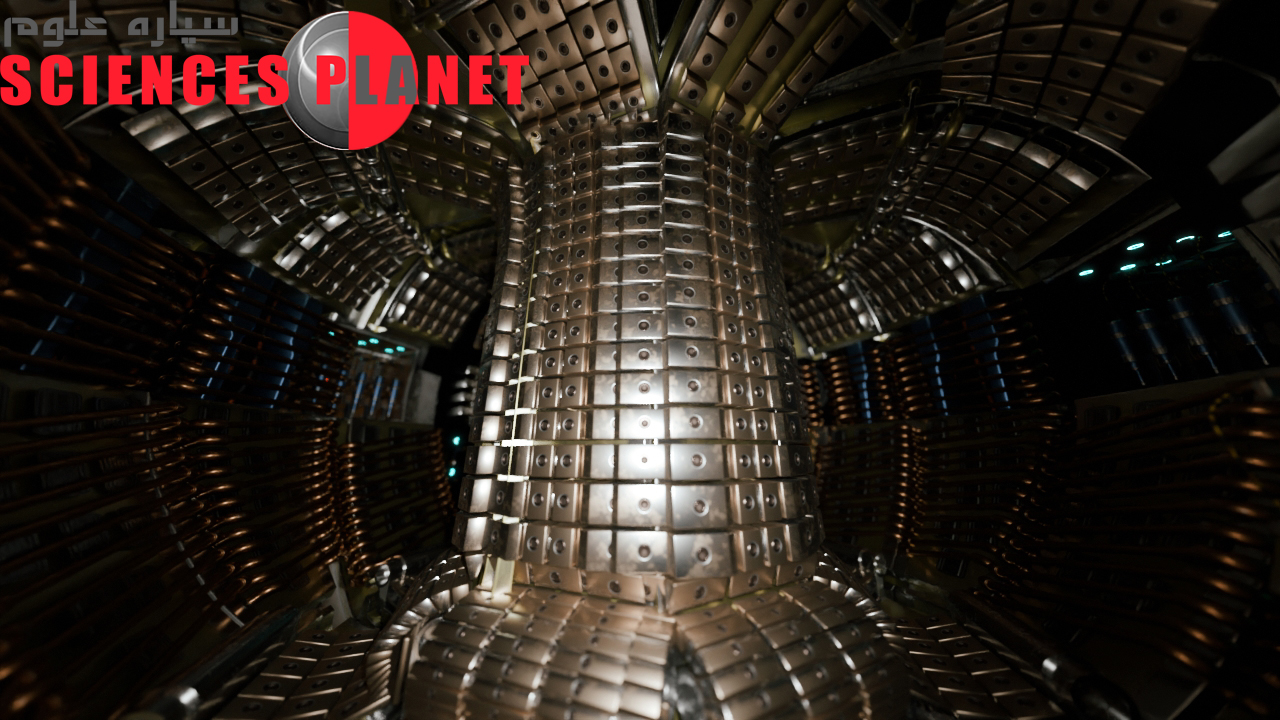
As can be seen in the images and video at the end of this article, I have designed and reconstructed a section of the internal parts of the vacuum chamber, which includes the Blanket tank, Vacuum vessel, and LIB, in a 3D animation for those interested in better understanding the structure of the tokamak. In the annular tunnel space of the vacuum chamber, a "low pressure" stability is created to confine the plasma so that the tokamak reactor does not stop in the process of tritium extraction. The first internal wall in the tokamak reactor acts as a primary barrier between the temperature of the superheated plasma and the structural material of the nuclear fusion reactor in neutron bombardment and almost controls and minimizes the leakage of tritium. If tritium cannot be controlled in this wall, it will lead to penetration, destruction, and brittleness of the material of the subsequent layers in the tokamak reactor, and consequently, temperature losses in the fuel cycle. At the bottom of the blanket wall, there is also equipment related to the divertor, where particles and other side outputs of the fusion reaction are discharged through the exhausts.
Outside the primary ring, several heat exchangers are mounted to transfer heat from the nuclear reaction to the secondary ring for electricity generation or use in other industrial processes. Due to the need for very high heat transfer of the vacuum chamber in the plasma stability state and the simultaneous possibility of tritium leakage, the serious problem of the incomplete inability of the intermediate heat exchanger alloy to prevent tritium leakage continues to be a limitation preventing the long-term operation of the nuclear fusion process in a tokamak reactor. Tritium leakage and the instability of the plasma temperature for continuous and long-term chain reactions, along with other technical issues that currently prevent nuclear fusion technology from achieving a non-stop time stability, made me consider to design and develop an idea for the possibility of combining the short-term plasma stability cycle shift using the excess energy produced between the two tokamak reactors. In this way, the excess energy assumed from the short-term stability of the plasma in an independent reactor is used to store and convert it into an electric driving voltage for another parallel and identical reactor, and this cycle continues again in a controlled sequence in the nuclear fusion cycle.
◉ Innovation: Plasma stability in nuclear fusion reaction by creating an alternating cycle of energy production in a tokamak reactor
◉ Inventor and Patent Owner: Ali Pourahmad
◉ Category: New inventions of inventors in the world
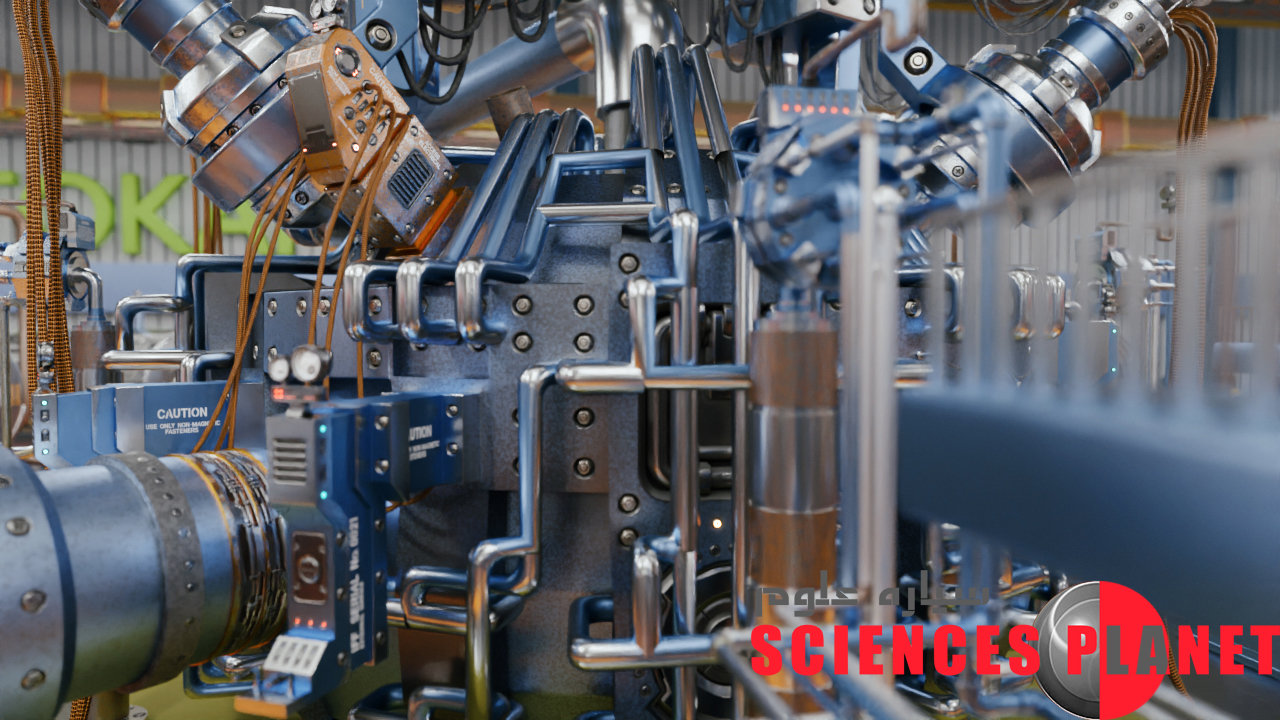
To achieve this goal, two tokamak fusion reactors are required, which must have completely identical characteristics in terms of input and output parameters (fuel and energy). The reason for requiring identical characteristics in each of these two reactors is to closely and accurately monitor the input and output settings and to prevent fuel and energy waste during rapid and intermittent shifts between them. In other words, due to the similarity of the input and output systems of both reactors, the amount of excess energy produced in one tokamak is controlled and transferred to the next tokamak to generate energy with minimal deviation and imbalance in the fuel and energy consumption coefficient, and the periodic fusion process continues with greater reliability. It should be noted that it is possible to perform this combined cycle process with two dissimilar nuclear fusion reactors, but it requires higher costs and the need to optimize hardware and software control systems to automatically apply the desired pressure and signal identification, data acquisition, and correction of pressure changes in the vacuum chamber of different reactors as an interface facilitating the circulation of excess energy between the two fusion reactors.
As can be seen in the middle of the video at the end of this article, in order to start the sequential nuclear fusion process, the "Tokamak Reactor A" starts its work by using the initial storage of high amounts of electrical charge energy (fossil or non-fossil fuels) by voltage transformers in the workshop so that the high electrical voltage, entering the thermal system modules, provides the temperature required to start the initial fusion process and create an induced current and ionize the fuel to be converted into plasma by "Tokamak Reactor A". At the same time, at this stage, the reactor chamber is brought to a very low pressure through turbomolecular and rotary vacuum pumps. Then, the operating pressure of the chamber is adjusted by automatically controlling the amount of pure hydrogen gas entering through the gas inlet valve. The vacuum chamber pressure is measured using a vacuum gauge sensor during the fusion process so that the difference between the instantaneous pressure and the desired pressure is identified as a deviation coefficient signal and the intelligent controller standardizes the desired pressure for the fuel injection process. By releasing a very small amount of deuterium and tritium fuel at a temperature of close to 100 million degrees Celsius (the temperature may be lower depending on the tokamak system), an electronic circuit is activated to maintain a constant gas pressure in the chamber based on a microcontroller using turbomolecular pumps to control the pressure by continuously introducing the correct amount of gas and to compensate for possible changes in the amount of gas introduced into the system during the process. The pressure control system is one of the subsystems of the integrated control room in the nuclear fusion process, which is designed based on the ATCA standard, so stabilizing and controlling the gas pressure profile is of great importance in vacuum technology.
◉ Innovation: Plasma stability in nuclear fusion reaction by creating an alternating cycle of energy production in a tokamak reactor
◉ Inventor and Patent Owner: Ali Pourahmad
◉ Category: New inventions of inventors in the world
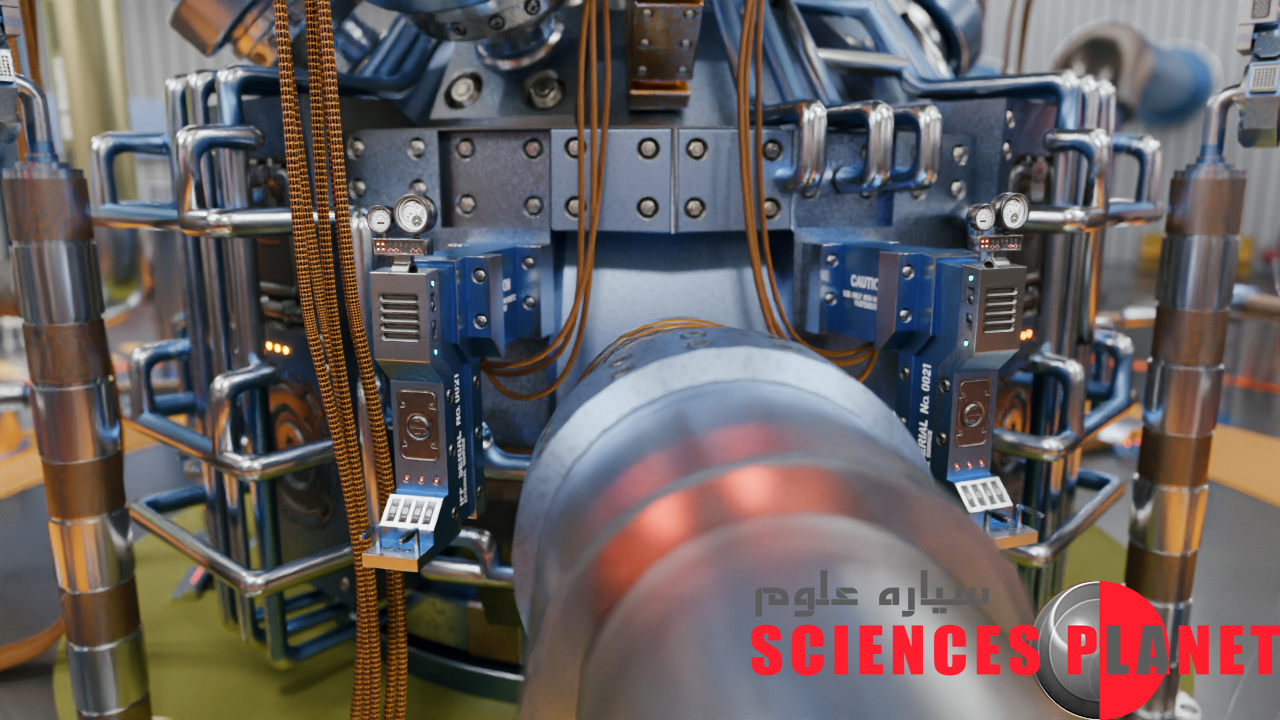
After "Tokamak A" reaches its desired level of operational efficiency for generating excess energy (relative to the energy consumed) in 10 minutes, the huge excess energy is recovered through electrical converters and then used to generate a very strong electrical voltage to decompose and ionize the gas in the "Tokamak B" chamber. When "Tokamak B" enters the operating circuit, "Tokamak A" is removed from the operating circuit and its systems are put into standby mode until excess energy is obtained from "Tokamak B". An approximate duration of 600 seconds for the operating phase and 600 seconds for the standby phase (shutdown) is considered for each of the two Tokamak reactors, assuming an intermediate limit of the possibility of pressure and thermal damage to the equipment. Currently developed tokamaks have the ability to maintain plasma at very high temperatures for more than 1200 seconds, but at such temperatures for a longer period of time, the possibility of damage to reactor equipment is not far-fetched. However, it seems that a shorter time shift between two identical reactors can prevent the destruction of fusion reactor materials and minimize the wear and tear of their components.
As mentioned, in the current advanced tokamak system, the process of maintaining the plasma stability chain for more than 20 minutes and achieving energy production in excess of the energy consumed has become possible. For example, the WEST fusion reactor (in the south of France) has been able to maintain the plasma in the fusion state for a little more than 22 minutes or 1337 seconds. However, despite this time limit and the high probability of damage to various parts of a nuclear fusion reactor in contact with the very high temperatures of intense neutron bombardment, as well as the retention and penetration of tritium, which leads to brittleness and destruction of materials in much longer periods of time (for example, several hours of continuous operation), it is also possible that we can achieve an energy production cycle as described in this idea by using the excess energy produced in a shorter period of time and with less depreciation. Of course, operationalizing or optimizing the implementation of this idea requires more detailed expert studies to prove the possibility of using this solution.
◉ Innovation: Plasma stability in nuclear fusion reaction by creating an alternating cycle of energy production in a tokamak reactor
◉ Inventor and Patent Owner: Ali Pourahmad
◉ Category: New inventions of inventors in the world
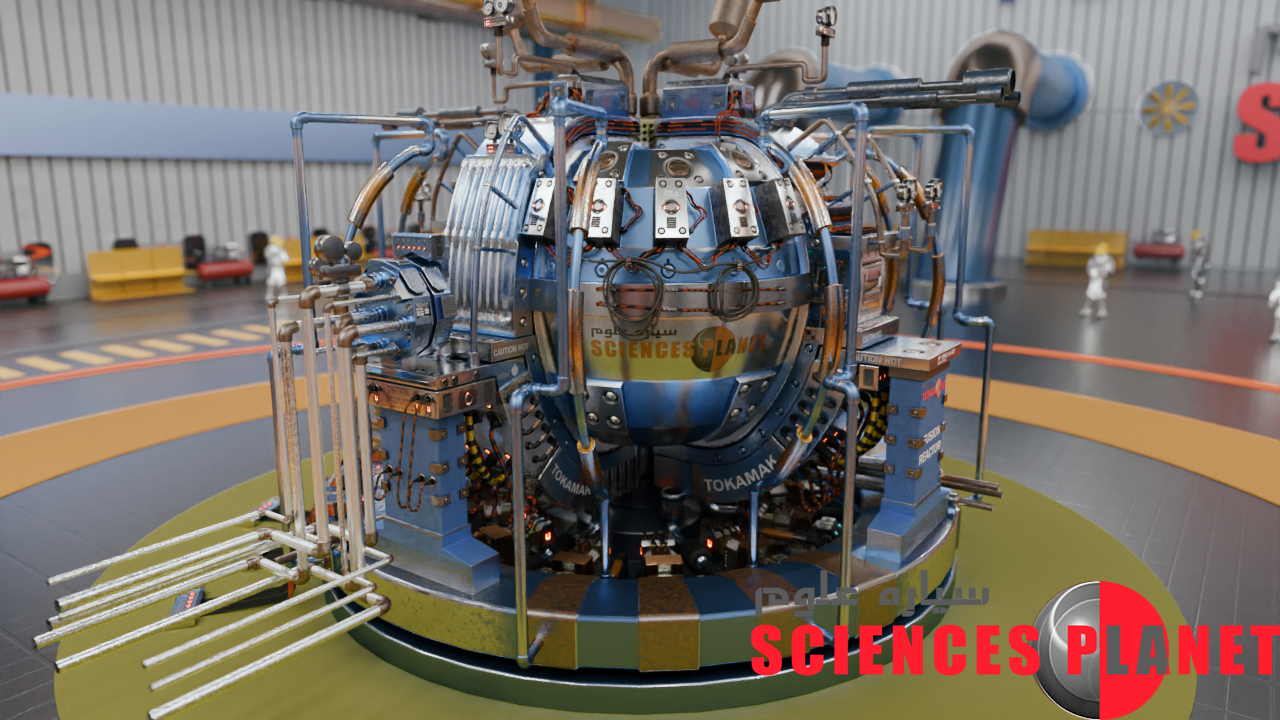
As with other scientific ideas, the possibility of implementing, developing, and optimizing this solution is not far off, and if "plasma stability timing control using two nuclear fusion reactors" becomes operational, it can make a significant contribution to the production of clean and endless energy from the autonomous nuclear cycle.
End of article//
◉ Video of the solution to plasma stability in nuclear fusion reactions by creating an alternating cycle of energy production in a tokamak reactor / Category: Inventions by Ali Pourahmad
◉ Animation creator of this video: Ali Pourahmad
◉ Music composer of this video: Ali Pourahmad
◉ Narrator: Ali Pourahmad
◉ Language: English
◉ Subtitles: None
About inventor and author of this article:👇


Scientific invention articles related to electricity generation :
◉ Inventing a power plant that generates electricity from the Earth's rotation in space and transmits the generated electricity to a ground receiver using a laser
◉ Invention of a power plant that generates electricity using gravity and centrifugal force (Gravity Engine 1)
◉ Invention of a power plant that generates electricity using gravity and centrifugal force (Gravity Engine 2)
◉ Invention of a power plant that generates electricity using gravity and suspended wheels (Gravity Engine 3)
◉ Invention of a power plant that generates electricity using gravity and centrifugal force (Gravity Engine 4)
◉ Inventing a power plant that generates electricity using gravity and combined complex physics (Gravity Engine 5)
◉ Invention of using seawater and artificial whirlpools to generate electricity
◉ The invention of using water from deep sea and ocean shores to create artificial dams and generate electricity
◉ The invention of generating electricity from a fluid centrifuge using water, gravity, and centrifugal force
Other inventions by Ali Pourahmad :
◉ Complete list of inventions and published scientific articles by Ali Pourahmad
◉ Scientific inventions by Ali Pourahmad
◉ Ali Pourahmad's science fiction films
◉ Ali Pourahmad Awards
◉ Paintings by Ali Pourahmad
◉ Ali Pourahmad's Instrumental music


Ad

