
Click here to watch a video "visual summary" of this invention.
Ali Pourahmad's Inventions | Category: New inventions in the world | Related: Scientific discoveries and technological inventions
Overcoming the limitations of ultra-deep drilling by developing and improving the cooling system of laser technology to access geothermal energy resources or drill oil wells | Generating electricity using geothermal energy wells
◉ Invention: Drilling deep wells to access oil and geothermal energy
◉ Inventor and Patent Owner: Ali Pourahmad
◉ Category: New inventions of inventors in the world
◉ Introduction and objectives:
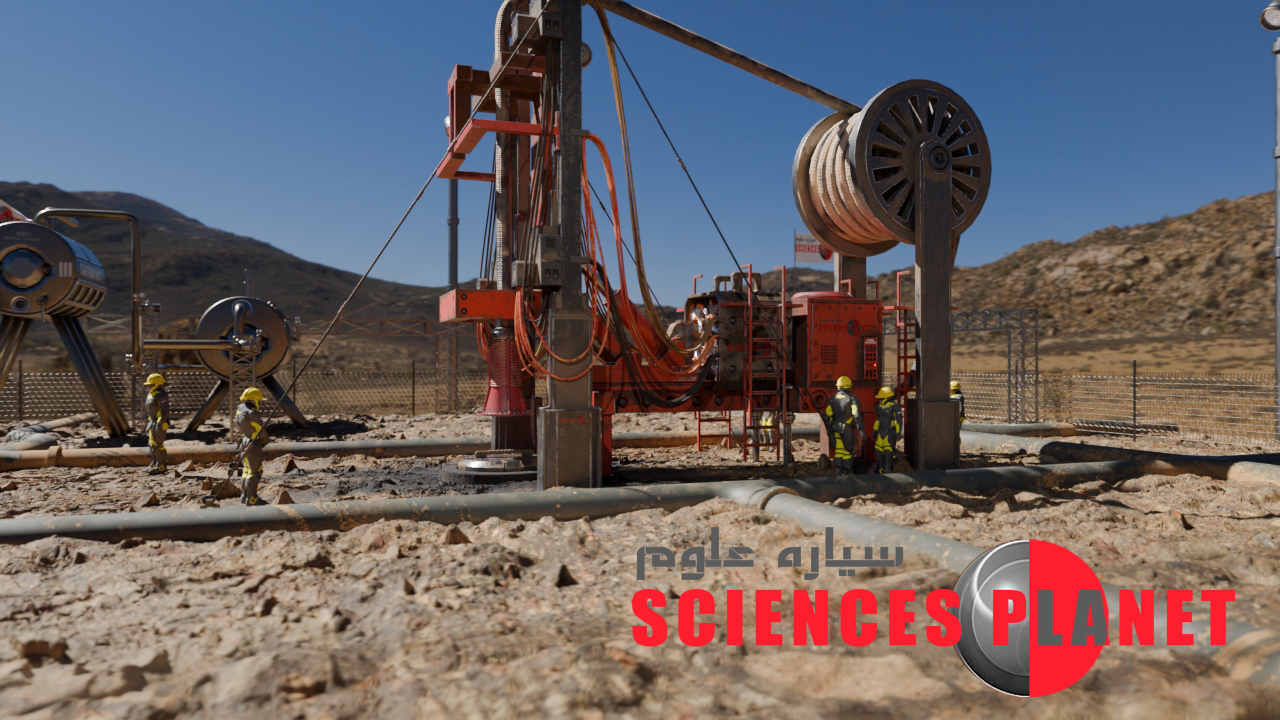
In this article, we briefly describe the invention of removing the limitation of deep drilling by developing and improving the cooling system of laser technology to access geothermal energy resources or drill ultra-deep oil wells.
The transition from non-renewable energy sources and the consequent increasing thirst of human society for more energy consumption have become one of the most important issues in the world today, as increasing access to cheaper energy is considered a key component of progress and prosperity in many countries. However, the cost of such progress is the irreparable destruction of the environment with excessive production of greenhouse gases and the resulting destructive effects. For example, the use of non-renewable energy accounts for more than 75% of the EU's greenhouse gas emissions, while the transition from non-renewable energy and decarbonization to CO2-free and clean energy production technologies has been set as the seventh goal of the United Nations Sustainable Development Goals (SDGs). Therefore, the development and optimization of renewable energy technologies such as geothermal energy, which is accessible from kilometers of wells drilled in the ground, can be one of the main solutions to overcome the process of environmental destruction. In this context, governments, as the main custodians of energy production, are trying to achieve more cost-effective and operational solutions for drilling in deeper horizons, such as the uncharted depths of the oceans, because the oceans cover about 70% of the Earth's surface and most of the water is located at a depth of more than 2000 meters. However, using current technologies, reaching the drilling target at depths of more than 5000 meters poses certain technical challenges and limitations, and this is the problem that I sought to solve with the idea of inventing a new laser technology cooling system.
◉ Invention: Drilling deep wells to access oil and geothermal energy
◉ Inventor and Patent Owner: Ali Pourahmad
◉ Category: New inventions of inventors in the world
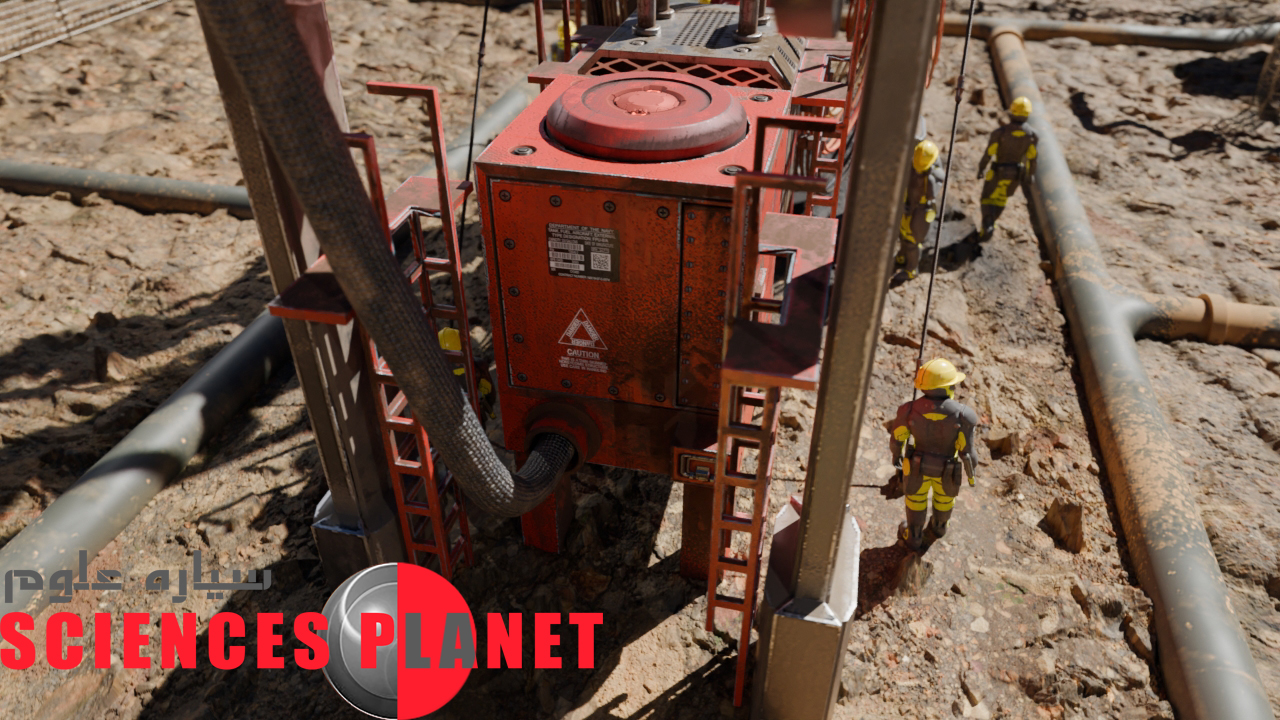
Laser drilling innovation offers the opportunity to penetrate deep with heat exchangers at depths that are not possible with traditional drill-based drilling technologies because in traditional drilling (Considering the need for equipment and the wear and tear of the drill string components, especially drill bits, which leads to higher levels of NPT non-productive time and increased completion costs), we face serious challenges as the main obstacles to reaching great depths in the earth. So far, many experiments and researches have been conducted on the combination of laser drilling with mechanical drilling as an independent technology, but the use of this combination in energy production is still facing the problem of being unoperational due to the requirements of geothermal energy extraction in the traditional open loop (preserving or enlarging EGS rock fractures). The most important and main challenge of laser drilling technology is related to cooling the drill head and washing molten rocks from the very deep depth of the borehole. But despite this technical problem, we should also pay attention to the important point that in the planning goals outlined for accessing geothermal energy, "deep laser drilling" is recognized as the only solution for destroying and drilling extremely hard and crystalline rocks located at great depths. Without a doubt, in the very near future, with the operationalization of "deep laser drilling", it will be possible to penetrate very deep depths where there is heat rich in radiation.
Despite the proven existence of radiant heat deep within the Earth, there are still significant challenges to extracting such valuable energy on a large, commercial scale. Currently, a small number of hot water reservoirs (temperatures between 50 and 100 degrees Celsius at a depth of 2 to 3 kilometers below the Earth's surface) are accessible, but these hot water sources are limited to tectonically active areas with suitable geological conditions, such as geysers or volcanic areas. On the other hand, we have super-hot rocks all over the world at depths of more than 8 to 10 kilometers below the Earth's surface that we can use as a dense fluid to heat the pumped water needed for power generation plants. But accessing super-hot rocks is not easy because these geological formations exist at a depth of 10 kilometers below the Earth's surface, which is more than twice the depth of a typical oil well. At such depths, under extremely high pressures and temperatures, the mechanical teeth and bearings of tungsten carbide drills or diamond-tipped drills quickly become brittle and unusable, which leads to very slow drilling of oil wells, even down to a meter per hour. Now, if we add the expensive and time-consuming process of replacing sensitive drilling components by difficult extraction from very long depths to the problem of slow drilling progress, we will understand why geothermal systems of superheated rocks on a grid scale have practically been excluded from the 95% of the "global clean energy production basket". However, the opportunity to overcome the technical limitations of ultra-deep drilling still exists, and my new idea in this article is in this direction.
◉ Invention: Drilling deep wells to access oil and geothermal energy
◉ Inventor and Patent Owner: Ali Pourahmad
◉ Category: New inventions of inventors in the world
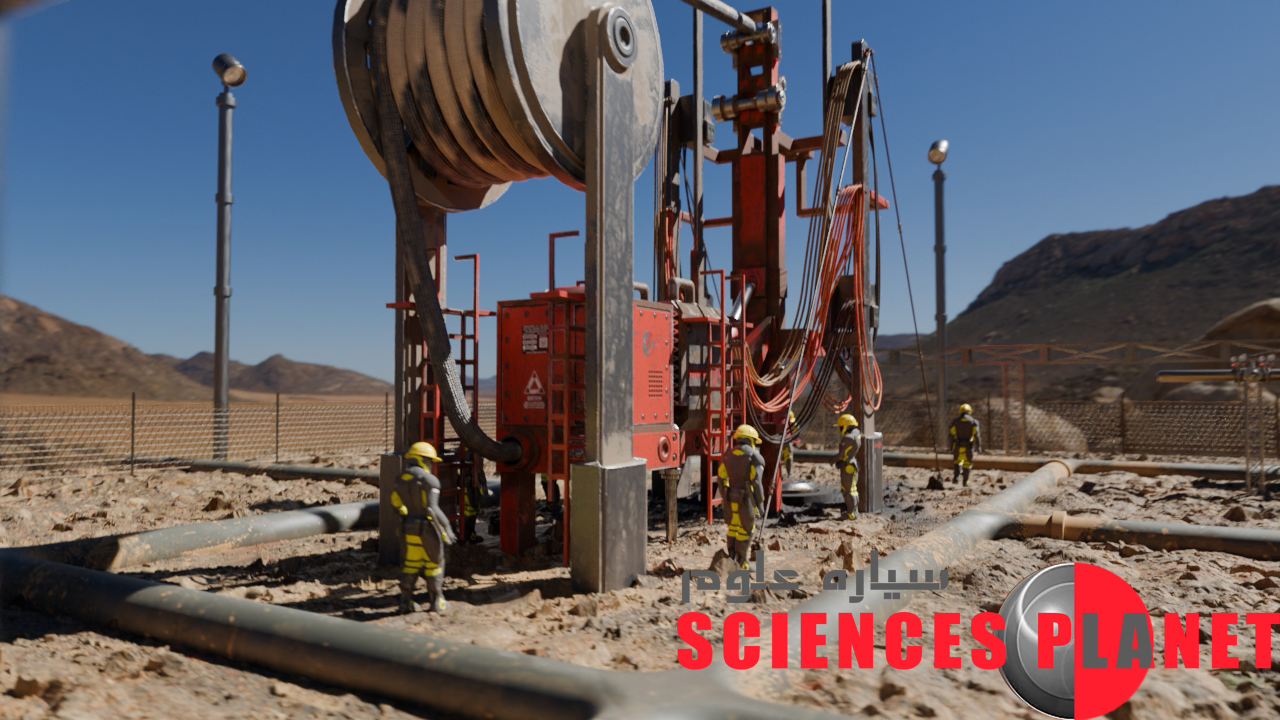
There are some technical issues in laser drilling that need to be addressed by engineers, innovators, and inventors. For example, with boreholes extending beyond 10 km, maintaining beam coherence and preventing energy loss along the waveguide walls remains a serious obstacle in the early engineering of laser drilling. On the other hand, sending purge gases several kilometers into the ground to purge rock nanoparticles causes severe fluid friction in the thin borehole walls, requiring very high-power compressor pumps to compensate for this pressure drop. Another important issue is the common environmental concern that deep drilling may cause micro-earthquakes in residential areas or animal and bird habitats near the drilling station. Part of this challenge is that traditional advanced geothermal systems and young tectonic boundaries, which are very fragile and unstable, target fault lines where shallow heat is found. However, with the development of this technology in the near future, it will be possible to drill deeper lasers in most places and it will be possible to access heat in places that are far from human settlements and habitats of animals and birds. Therefore, 95% of the ultra-deep drilling operations in the future can be carried out in stable, in-plane environments that are completely isolated from active fault lines and the risk of seismic activity. In recent years, the continuous and increasing demand for fossil fuels, especially oil and gas, has driven the drilling and exploration industry to penetrate into very deep waters, where wells are drilled to depths of more than 7500 meters at very high costs (more than $ 100 million). At such depths, serious reservoir challenges arise with very high pore pressures, which usually exceed even the 138 MPa mark.
Despite some of the problems mentioned, the use of geothermal energy for renewable energy production is considered essential due to the increasing risks of pollution from fossil fuels in the future. Although with increasing depth, drilling costs increase due to wear and tear of drilling tools and low penetration rates, and as a result, financial risks, however, the combined use of high-power laser drilling with auger drilling or water jet drilling can significantly reduce the costs of deep geothermal drilling while developing and increasing the rate of penetration into the ground and become a cost-effective source of renewable energy in the long-term consumption period. The laser drilling system proposed in this article can be successful in significantly reducing the costs of deep geothermal drilling by using laser cooling and can help to use geothermal energy as a reliable and permanent source of heat inside the earth without limits. The idea proposed in this article can take part of the energy mix goals by enabling laser drilling to be operational in the very deep and very hot earth and complement other renewable energy sources such as solar, wind and hydroelectric power in a relatively environmentally friendly way. While fossil fuels and nuclear energy are still recognized as the main factors of environmental destruction by producing non-renewable waste, geothermal energy-based power plants can continuously and sustainably produce electricity 24 hours a day, without being completely dependent on water flow, sunlight, or wind. Therefore, creating any method and idea to achieve the important goal of preventing the spread of global pollution is very important and is undoubtedly worth researching, developing, and implementing.
◉ Invention: Drilling deep wells to access oil and geothermal energy
◉ Inventor and Patent Owner: Ali Pourahmad
◉ Category: New inventions of inventors in the world
◉ Supplementary and technical description of the invention:
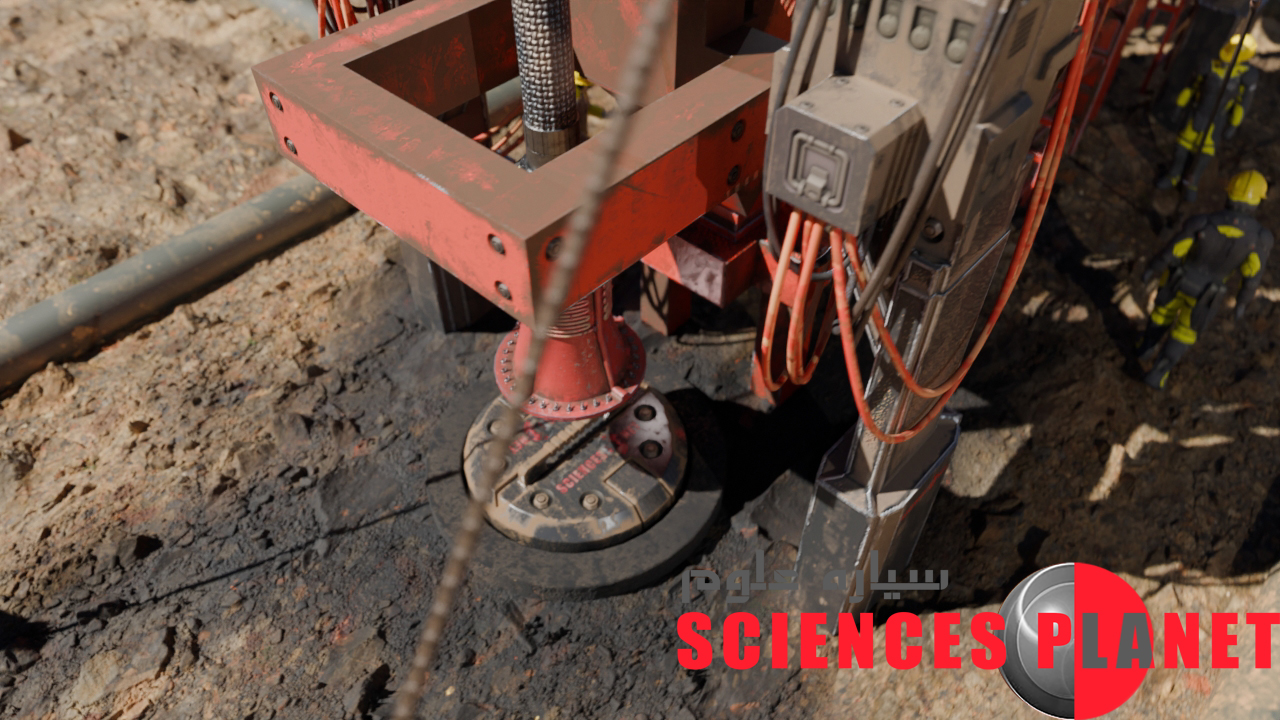
The process of drilling at great depths is hampered by the presence of very hard rocks, which slow down the penetration of the drill into the subsurface. This slowness is more pronounced in wells deeper than 15,000 feet (5 km), because the penetration rate at these depths is between 60 and 90 centimeters per hour, which easily consumes 50% of the total drilling costs in the last 10% of the well. At these depths, the fracture slope is very shallow, placing severe technical constraints on the drilling fluids in terms of density and circulating pressures. Another difficult challenge of drilling at great depths is the encounter with hard salt domes, 30 to 60 million years old, which lie at the top of the Lower Tertiary sediments. Due to the presence of salt at these depths, the underlying rocks have not been compacted, but have turned into rubble, and these salt dome rubbles cause the well to be plugged and make it very difficult and expensive to continue drilling with a drill at great depths. Wells at such depths encounter high pressures and temperatures (HPHT wells), which undoubtedly require equipment made of much more expensive, more efficient, and thicker metals to continue drilling. This serious challenge has led companies specializing in drilling to move towards inventing, and developing new techniques that are different from traditional drilling, which is referred to as "inventing new methods of managed pressure drilling."
To overcome these challenges, the drilling industry must move towards new penetration methods such as hybrid drilling using lasers. Experts in this field are designing a high-performance hardware system to transmit high-power lasers over long distances through flexible fiber optic cables. When the destructive power of a laser is combined with a mechanical drill bit, it enables rapid and sustained penetration into hard rock formations (such as granite and quartzite) that are very expensive and sometimes impossible to drill and penetrate using traditional mechanical drill bits. In fact, laser energy aimed at and fired at rock effectively makes the rock completely brittle and soft, because the bonds between rock crystals are weakened and fractures appear in the rock's texture. This "pre-penetration process" allows the mechanical drill to penetrate the hardest rocks faster and to penetrate deeper. Laser-assisted drilling has the potential to be up to 10 times more economical than traditional mechanical drilling technologies, but this attractive prospect requires further development and overcoming the challenges of high temperatures and heat in the depths of the earth before it can be commercialized and implemented flawlessly. Extremely high temperatures easily affect the operation of lasers, whose components reach very high and critical temperatures due to powerful discharges of electrical energy, leading to the failure of laser equipment deep underground.
◉ Invention: Drilling deep wells to access oil and geothermal energy
◉ Inventor and Patent Owner: Ali Pourahmad
◉ Category: New inventions of inventors in the world
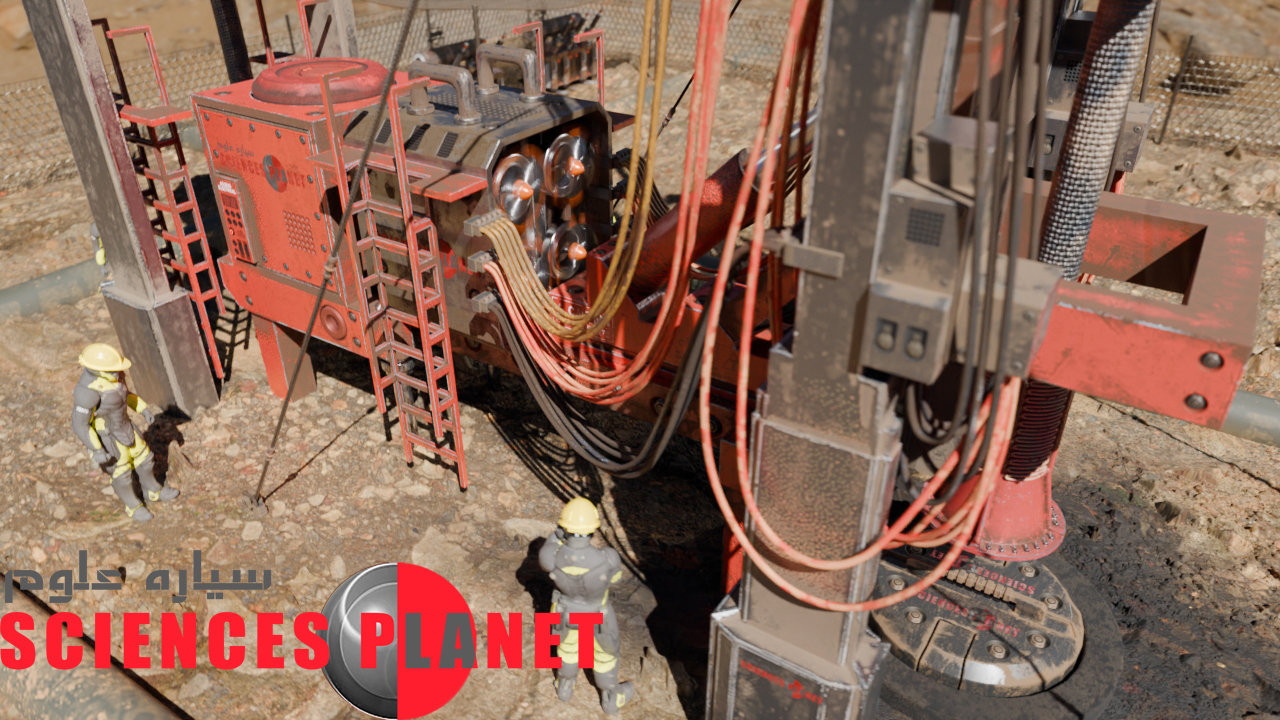
The main challenge and an important obstacle in the idea of laser drilling is the overheating of the body of the press module or laser coupler. To solve this problem, I designed the idea of using cryogenic nitrogen gas in the body of the laser press chamber. The combined operation of laser and cryogenic gas facilitates, makes it possible to control the temperature around the laser module in the borehole path and effectively enables penetration and progress at great depths even with critical temperatures. We can also control the release of laser energy at short but continuous intervals by accurately analyzing the temperature using sensors embedded next to the lenses located in the nose. In this way, while maintaining the continuous process of drilling, we prevent excessive temperature penetration into the laser chamber. In addition, it is necessary for an optical camera as well as a thermal camera to monitor the process of temperature changes in this combined penetration (mechanical bit and laser drill) to ensure that the cryogenic gases continue to move in long and continuous distances in the grooves of the laser chamber body so the temperature of the laser module remains at a normal level throughout the borehole. Under such controlled conditions, as the combined drilling penetration continues, small particles of crushed, melted and evaporated rocks are pushed through the borehole ring as a gas stream to the surface.
◉ Invention: Drilling deep wells to access oil and geothermal energy
◉ Inventor and Patent Owner: Ali Pourahmad
◉ Category: New inventions of inventors in the world
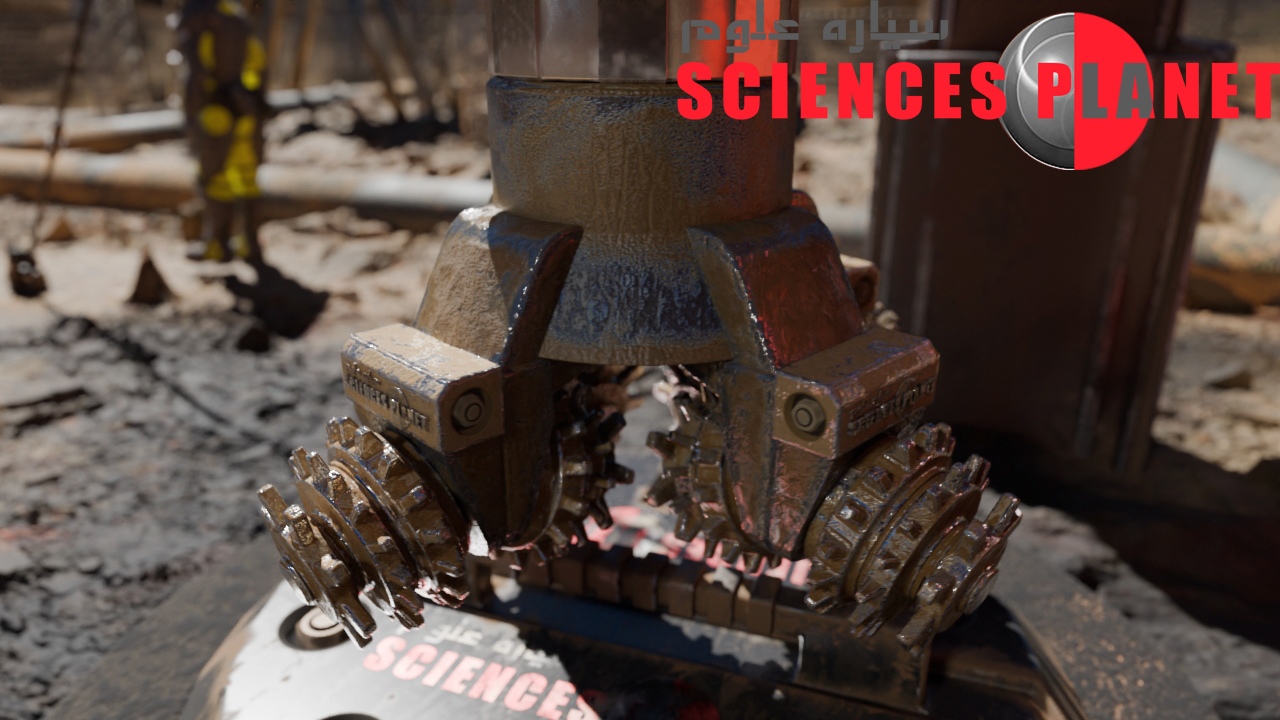
As can be seen in the video at the end of this article, the main chamber of the laser equipment is placed inside an outer shell for temperature insulation. In this idea, the outer shell is considered the main body of the combined mechanical-laser drill equipment, which I have designed to transfer the flow of refrigerant gas, a series of internal grooves and flexible refrigerant pipes in a reciprocating manner in the outer body. The narrow millimeter grooves are spread as spiral networks throughout the entire wall of the main body to achieve the ultimate thermal insulation efficiency against very high temperatures deep in the earth. Also, the spiral network like thick pipes embedded in the outer shell helps the drilling bit to release the necessary and controlled amounts of refrigerant gases in a compressed form towards the borehole. The release of refrigerant gases causes the continuous process of reducing the temperature in the environment around the drill bit to be carried out effectively. It should be noted that depending on the type of drilling system, four gases are usually used as potential cryogenic gases in deep drilling: argon Ar, krypton Kr, helium He, and nitrogen N2. For the idea of this design, I have chosen nitrogen as a cryogenic fluid with continuous shear stress and appropriate elasticity.
◉ Invention: Drilling deep wells to access oil and geothermal energy
◉ Inventor and Patent Owner: Ali Pourahmad
◉ Category: New inventions of inventors in the world
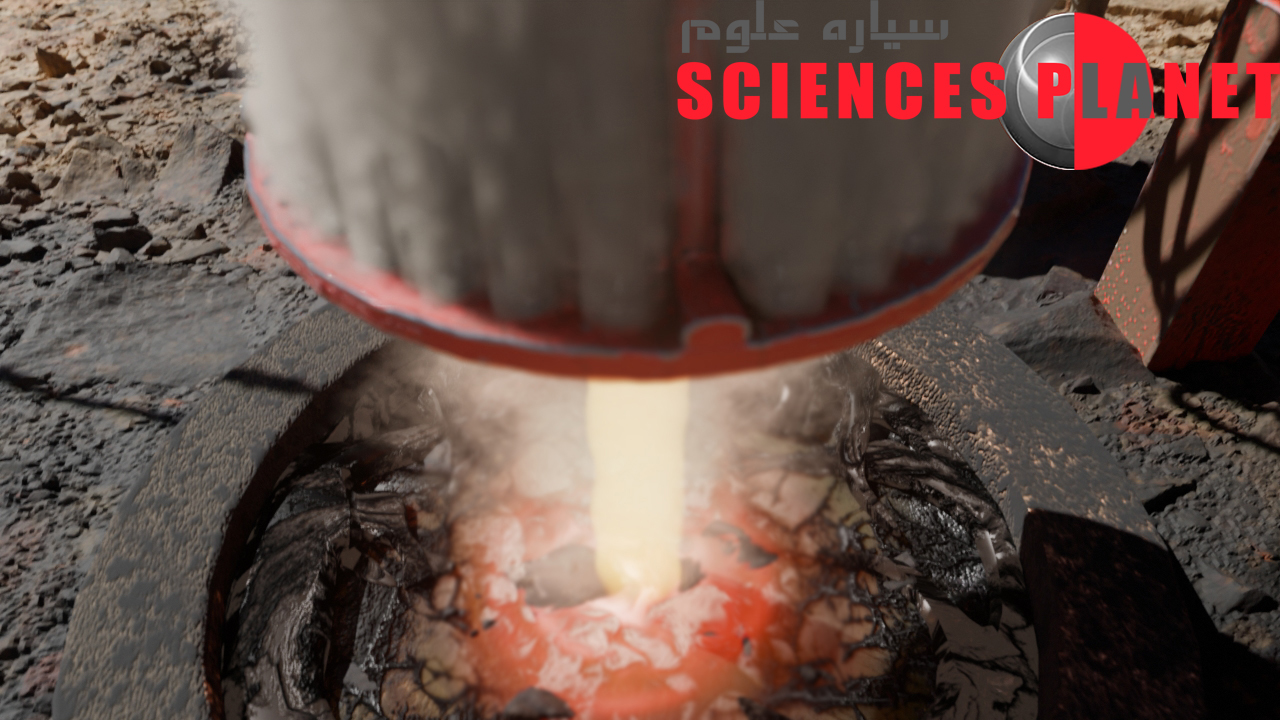
Since the high energy laser beam emitter is located in the center of the press chamber, we can direct the discharged refrigerant gases towards the outer shell of the laser equipment body to increase the efficiency of temperature reduction. To achieve this, I designed a large number of refrigerant fluid outlet nozzles on the nose ring in the body. Each of these gas valves has 2 fluid outlet nozzles, one nozzle aimed at the drill body and the other in the direction of returning to the borehole opening. The operation of these nozzles is such that the refrigerant gas is pumped in a compressed manner after entering the spiral refrigerant pipes in the body and then passing through the narrow refrigerant grooves in the alloy structure of the body, and is directed at high pressure towards the fluid outlet nozzles. After exiting the two holes of each of the refrigerant valves, the refrigerant gas again hits the outer body of the drill, and part of it is also released under pressure in the environment around the borehole and pumped upwards to exit the borehole. This combination causes the high heat of the combined drill body, both inside and outside, to come into direct contact with the refrigerant fluid and be effective in reducing the temperature.
◉ Click on any of the gallery images below to enlarge:
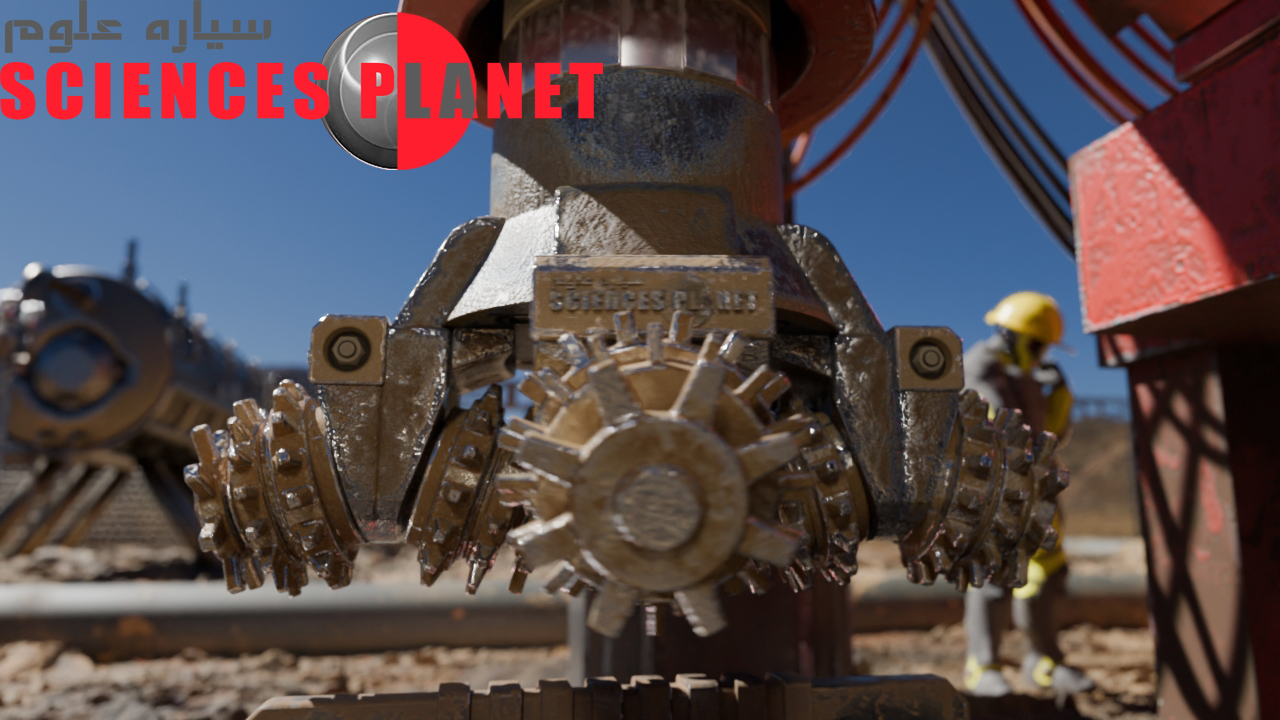
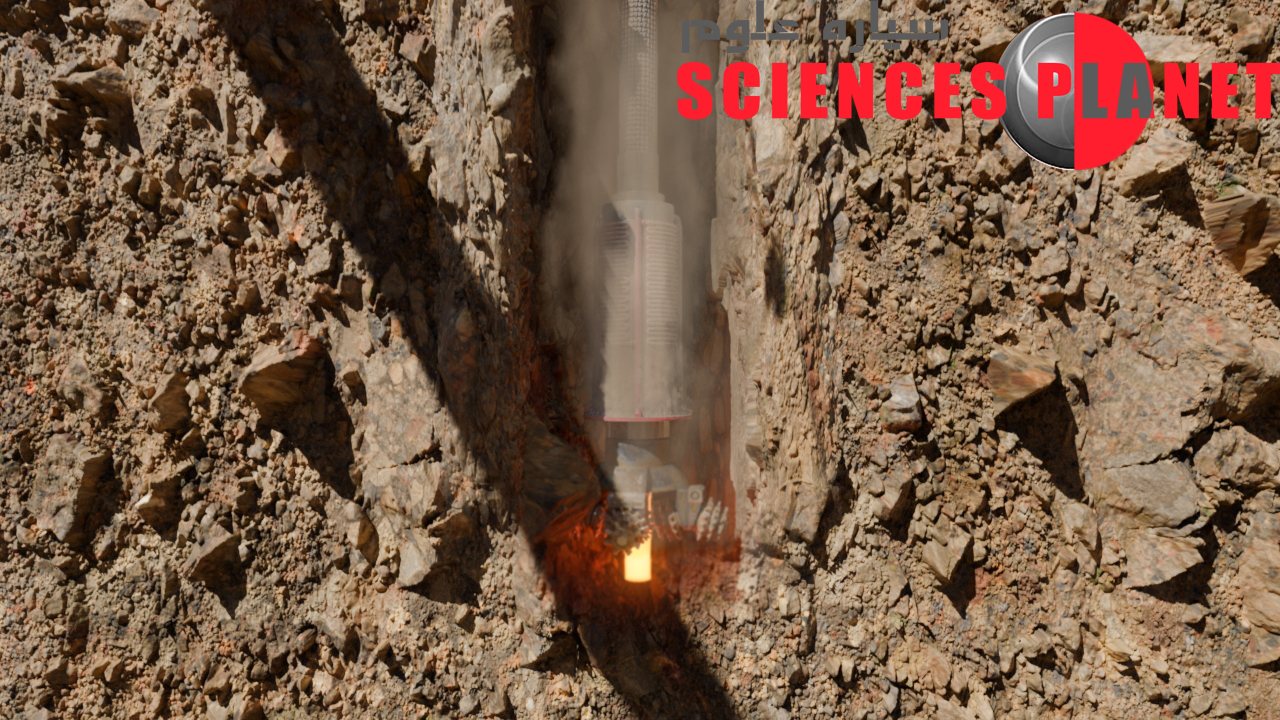
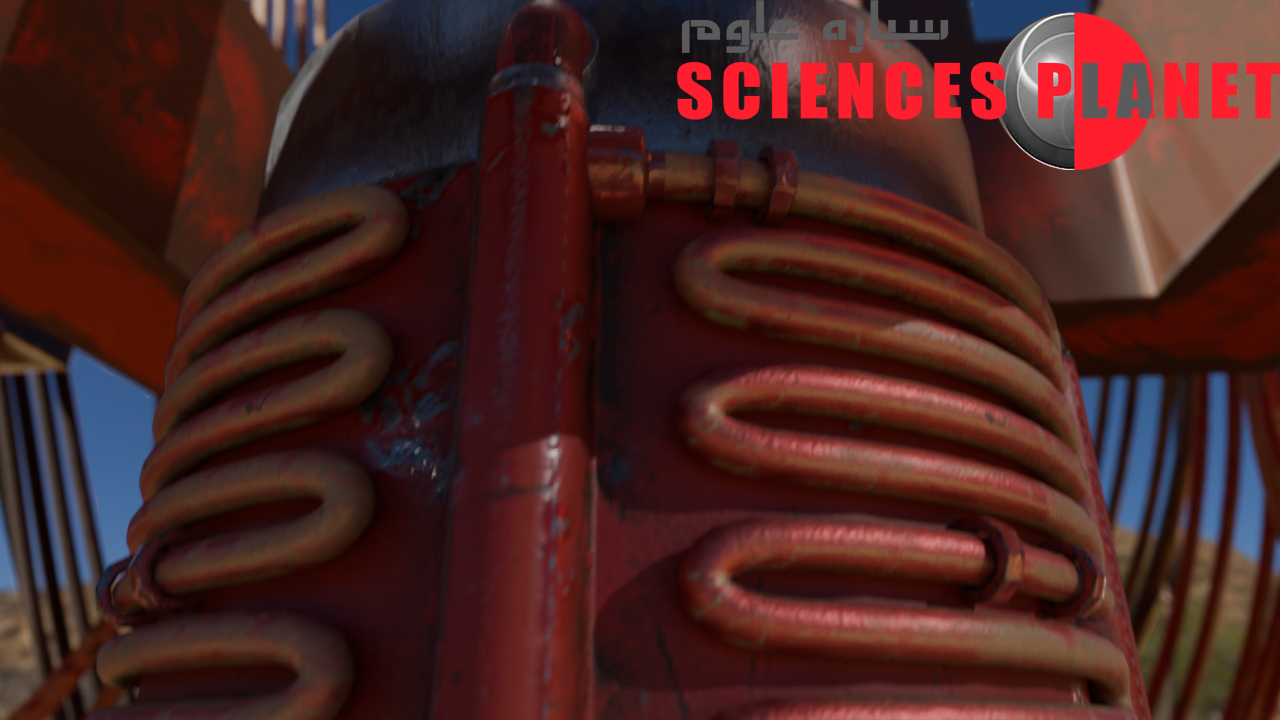
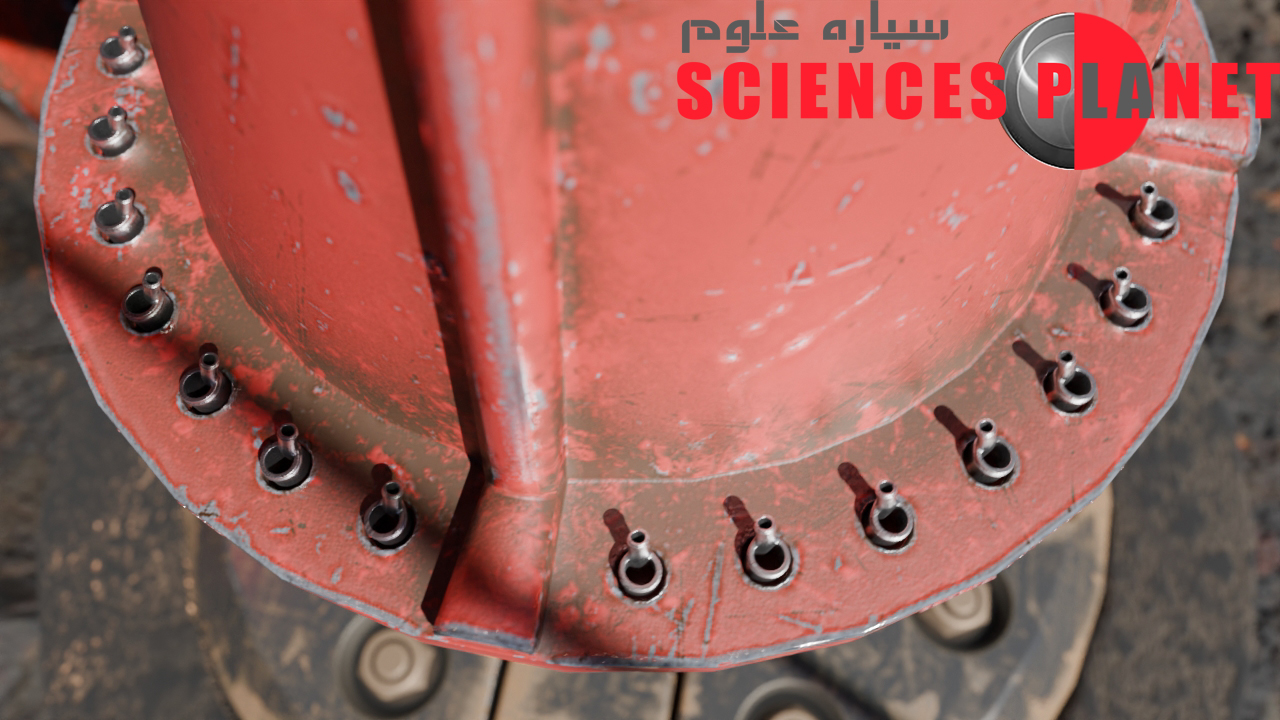
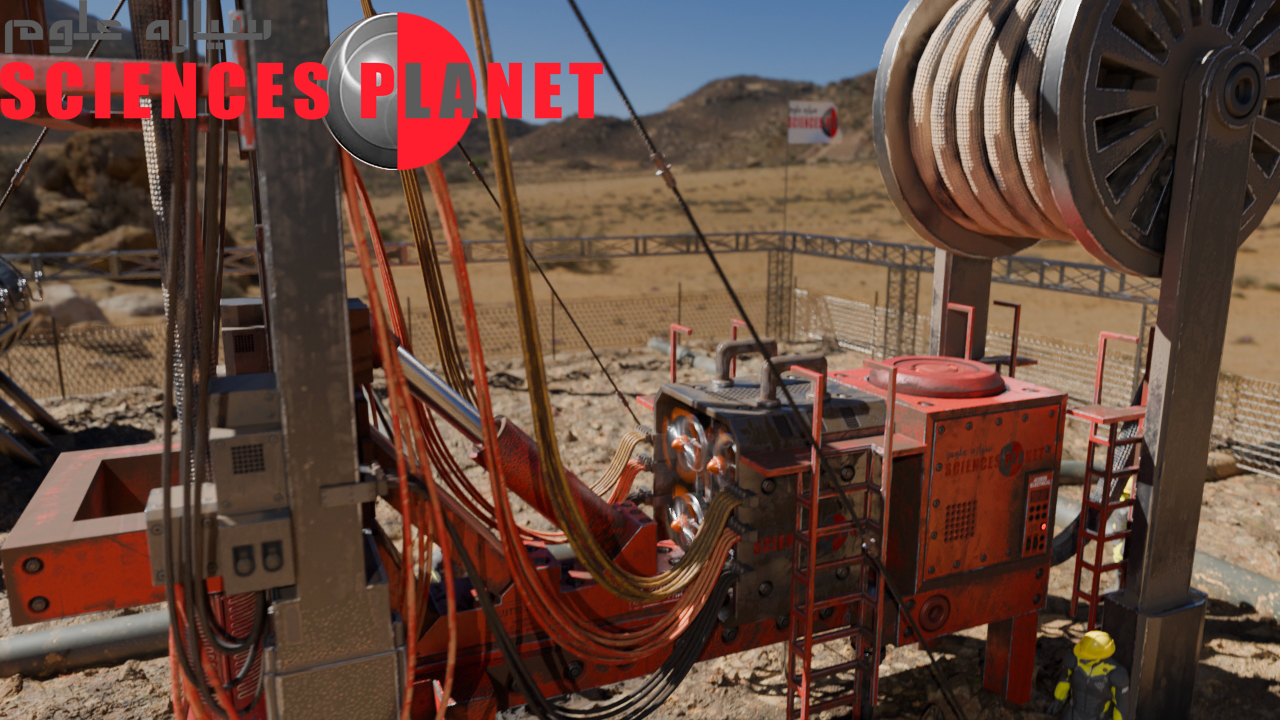
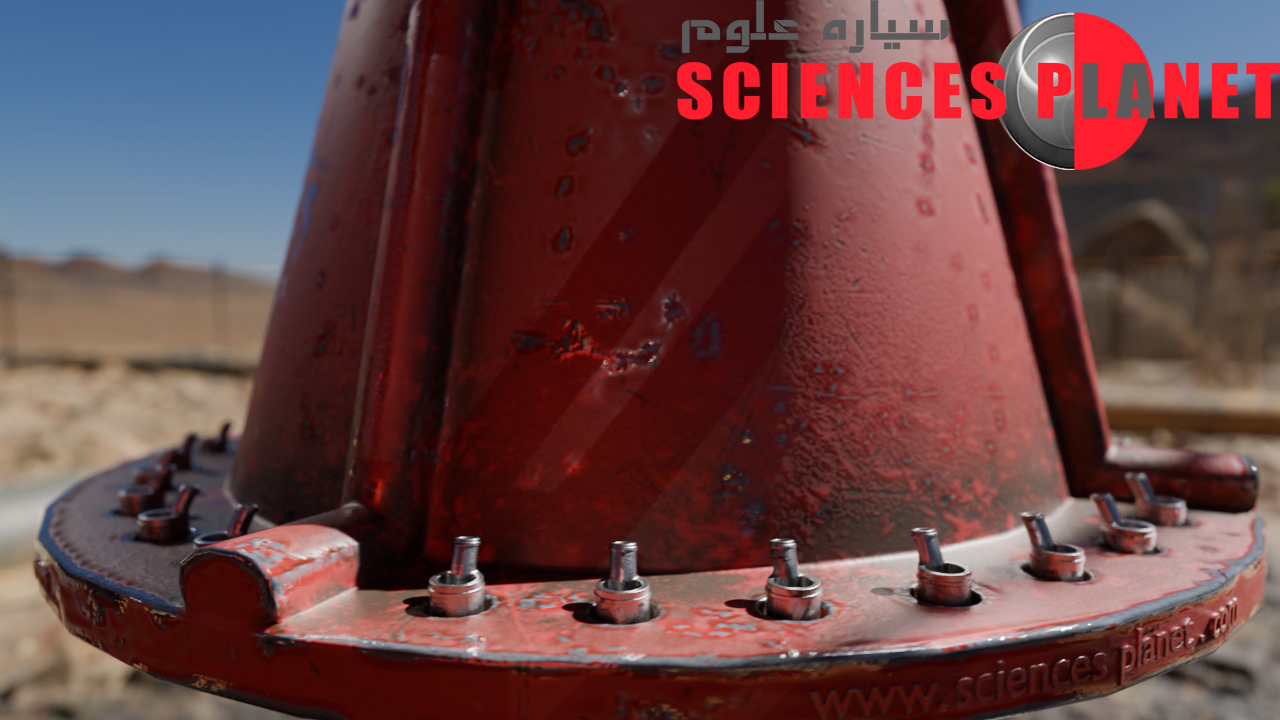
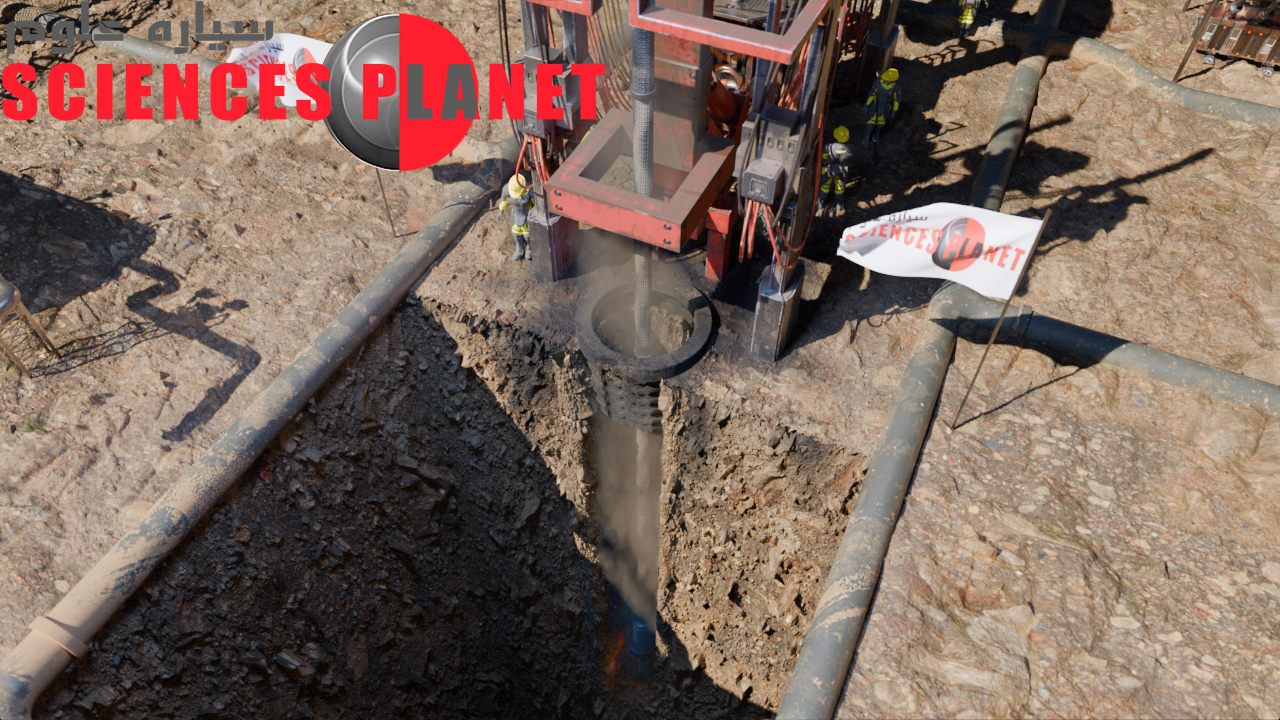
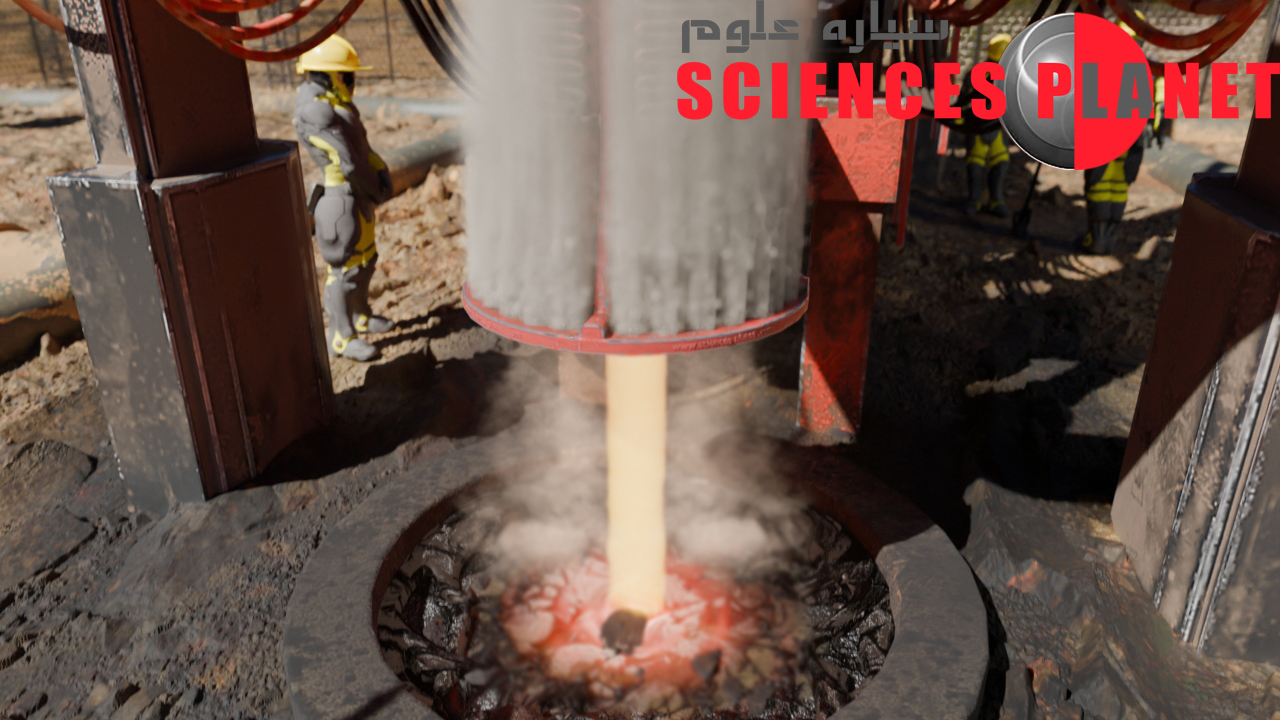
In this way, the body of the press chamber of the laser equipment comes into contact with the nitrogen refrigerant gas in two consecutive and continuous stages. In the first stage, the refrigerant fluid causes a temperature drop on the inside of the laser module body by passing through narrow millimeter grooves that are spread over the entire surface of the body, and in the second stage, by passing through flexible pipes mounted around the body and then the fluid exiting the nozzle towards the outer wall of the body, it leads to a further temperature drop in the area of the internal equipment of the body. In other words, the sequential cycle of thermal insulation by the circulation of cryogenic fluid (in two stages around the body of the laser module) prevents the penetration of hot molecules in the borehole into the laser equipment and enables the control of the temperature of the drill tip. Considering that at great depths the environment at the end of the drilling hole is very hot and the equipment located in such an environment is very vulnerable and fragile, the use of the cryogenic gas release technique in the combined drill tip can greatly and optimally help stabilize the balanced temperature rate to allow drilling to continue and penetrate deeper into the layers of the ground.
◉ Invention: Drilling deep wells to access oil and geothermal energy
◉ Inventor and Patent Owner: Ali Pourahmad
◉ Category: New inventions of inventors in the world
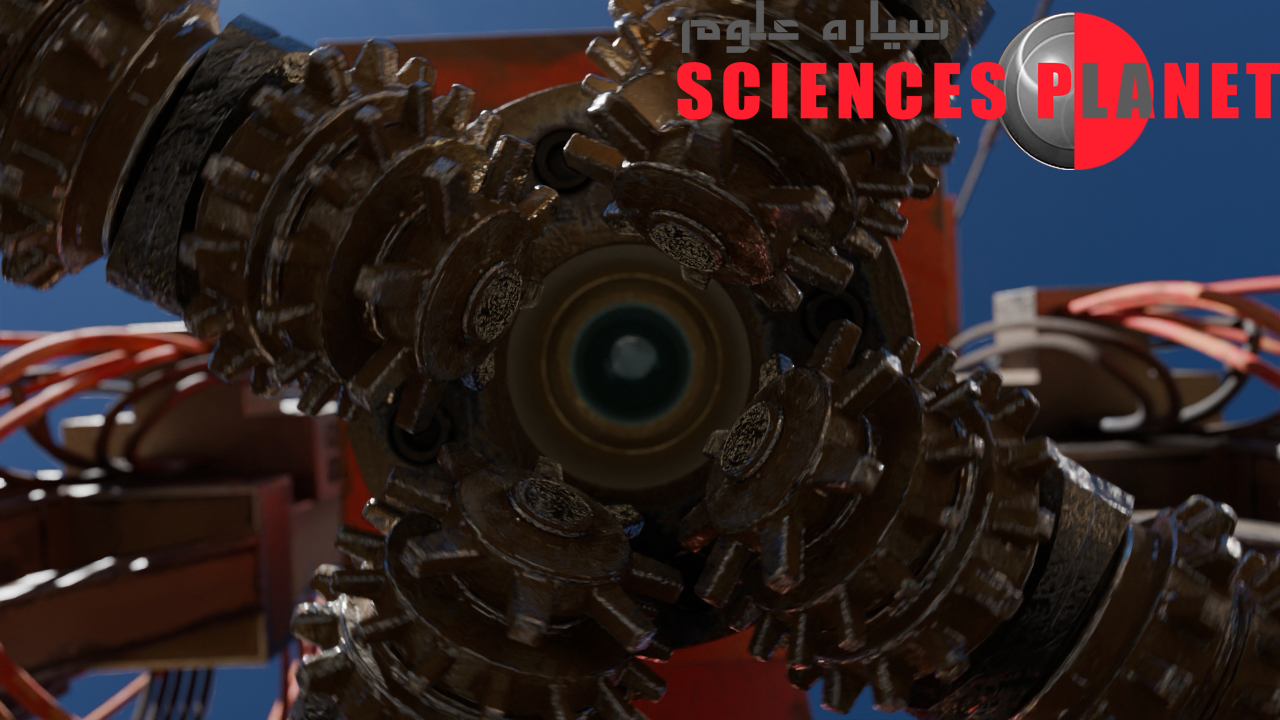
The process of pressure rate of pumping cryogenic gas and safe temperature control at the nose of drilling equipment is mainly calculated and carried out by careful examination of power density (Pρ), irradiation time (ti) and petrology (structure, chemical composition and mineralogy) at each stage of penetration into the subsurface. Using power density thresholds between different processes, it is possible to make accurate engineering calculations and predictions for penetration to greater depths. These calculations are important because we can have proper control over the pressure rate of cryogenic gas consumption by considering the two drilling methods (thermal peeling - melting and evaporation crushing) because the removal of rock or material in either of these two methods will directly affect the degree of temperature control and consumption of cryogenic gases in the cooling system. For example, thermal fracturing, through thermal expansion of minerals and mechanical buckling, drives rock fragments out of the well. This process is performed at relatively low temperatures (around 500 degrees Celsius) and naturally requires a lower consumption of refrigerant gases, which can be considered more efficient in terms of energy consumption.
But in contrast, in the crushing process, cuts are produced in the mineral shells that must be effectively removed from the borehole to keep the penetration process at a constant rate. For this purpose, the technique of melting and vaporizing mineral materials at temperatures above 2100 degrees Celsius is used by ultra-powerful lasers, which removes the rock by evaporating the molten materials and expelling them out of the borehole. Therefore, in this method, we need to consume more cryogenic gases to control the temperature rate at the tip of the hot laser equipment, which consequently consumes much more energy than thermal crushing in this method. To overcome some of the limitations of the melting and evaporation method, we can adjust the amount of refrigerant gas consumption at the drilling equipment head according to the high temperature environment, which will result in the consumption of larger amounts of refrigerant gas, or we can optimize the amount of refrigerant gas consumption at the drilling equipment head to thermally crush the rock within a specific temperature range and effectively remove all rock fragments from the borehole, which will result in less consumption of refrigerant gas. However, the possibility of creating a glass layer on the borehole walls in this second method is not far-fetched.
◉ Invention: Drilling deep wells to access oil and geothermal energy
◉ Inventor and Patent Owner: Ali Pourahmad
◉ Category: New inventions of inventors in the world
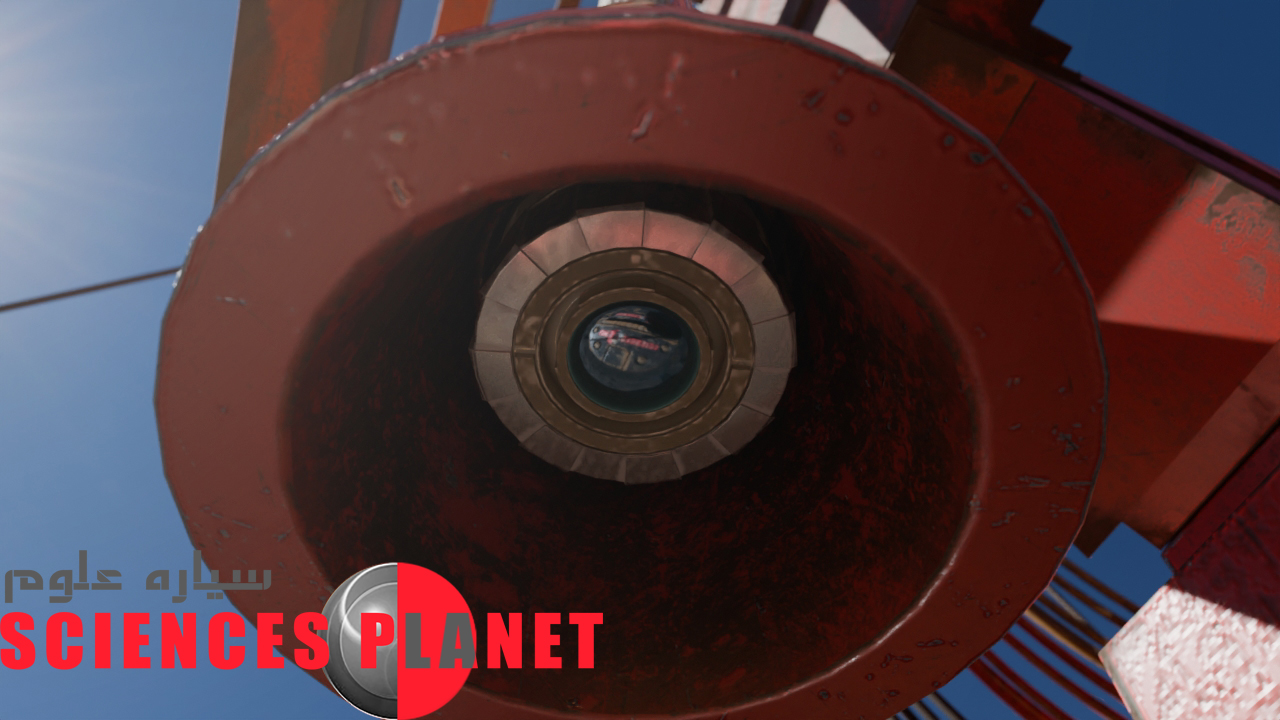
The degree of heating of the drill head and the temperature rise of laser equipment in different regions of the earth are different. This is more noticeable in deep drilling on land and at sea because the distances to reach very high temperature points in these two areas are different. Now, depending on the size and type of mechanical drill and other laser equipment mounted in the drill tip, the diameter of the drilling hole is also achieved differently in different regions. In such circumstances, it is still possible that the outer body of the laser press chamber, which consists of narrow grooves of cryogenic gas, follows the diameter of the drilling hole to easily enter the hole and cools the temperature of the laser and its surrounding environment through nozzles mounted in its horn opening to continue drilling. Although the larger diameter of the cooling chamber opening in its horn-shaped part leads to greater contact of the cooling fluid with the hot laser module body and helps to reduce the temperature further, the horn-shaped design of the drill head cooling system is not mandatory and depending on the environmental conditions, the diameter of the horn-shaped part of the cooling system can be reduced or increased. If we have to reduce the diameter of the horn-shaped part, we can compensate for this change in shape by increasing the number of gas outlet nozzles.
With increasing depth, temperature changes become more noticeable. At greater or lesser depths, depending on the region and the texture of the underlying lithological layers such as granite, sandstone or limestone, drilling operations are faced with variable functions of temperature, pressure, density and adhesion of rock materials, which require drilling equipment to have the necessary power and technology to adapt to such environments. For example, the rate of temperature and pressure change in a deep area containing the hardest rocks (granite) from a lithological point of view is different from the rate of temperature and pressure change in areas containing the most common geothermal reservoir rocks such as sandstone and limestone. Therefore, there is still an opportunity to use the idea of "optimal drilling temperature control" while overcoming the destructive challenge of temperature at critical points. We can also achieve the ultimate goal of reaching the depths of geothermal energy resources by adding and using other advanced analytical techniques such as thermography, photogrammetry, and electron microscopy for immediate and physical analysis of the infiltration process during drilling operations.
◉ Invention: Drilling deep wells to access oil and geothermal energy
◉ Inventor and Patent Owner: Ali Pourahmad
◉ Category: New inventions of inventors in the world
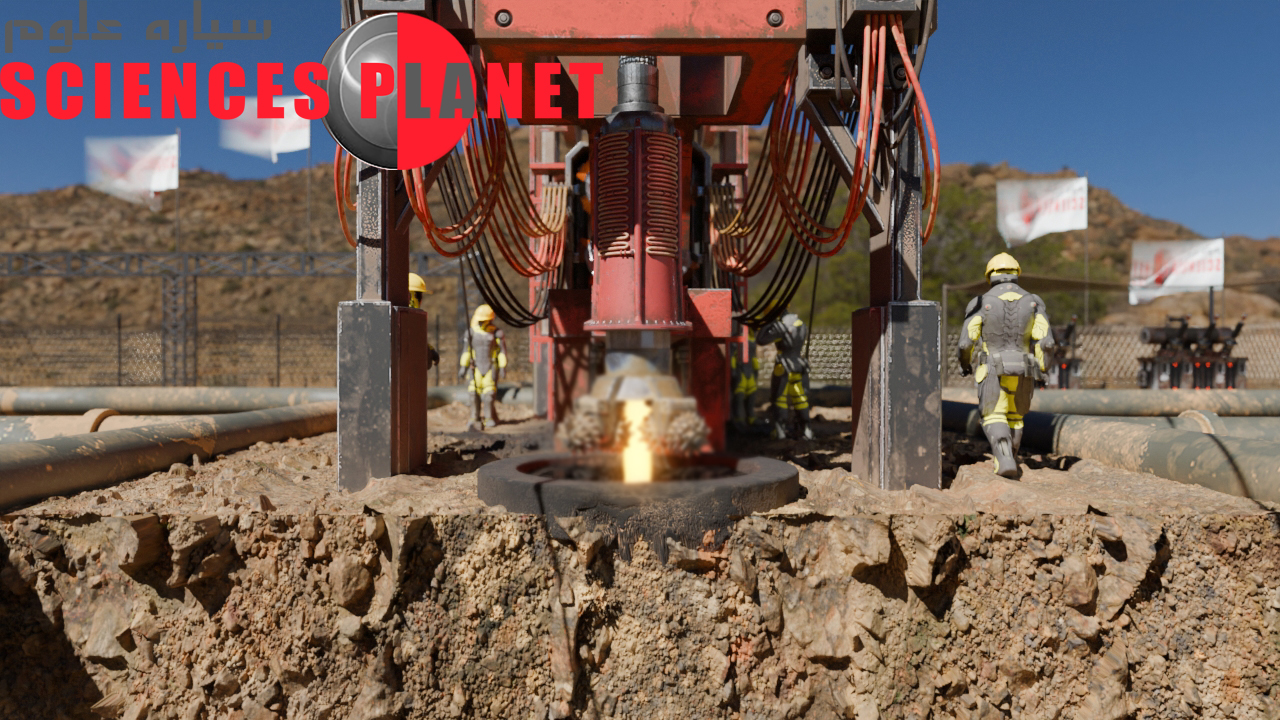
Morphological analysis of wells and boreholes using photogrammetry allows estimating performance parameters such as rate of penetration (ROP) and specific energy (Se), which the idea of the cryogenic chamber presented in this article can also be effective in drilling oil wells more cost-effectively and faster. However, since a large part of oil extraction (excluding and apart from essential ancillary industries) is used to produce non-renewable energy and pollute the environment, so as the designer of the idea for this article, I recommend that the different purposes of drilling oil wells be distinguished from each other. We must responsibly seek an alternative to the major part of extraction that is related to the production of energy based on fossil fuels, which according to the idea described in this article, access to geothermal energy at great depths can be the best alternative to extracting oil (for use as fuel).
The drilling industry still faces some of the challenges mentioned in this article in drilling very deep wells to reach geothermal energy and get rid of hydrocarbon reservoirs, which should accelerate the development of this technology with more research, wider investment and welcoming scientific projects from ideators. In fact, more efficient energy management, along with the use of new ideas and the combination of geomechanical models, will allow for accelerated movement in the drilling industry and provide conditions for deeper, safer and less expensive operations on land or in deep waters. It is not out of the question that in the future, the discharge of oil from current wells will become a myth, and the industry must be prepared to face the challenges of the post-oil era and move towards the development of deep drilling technologies to reach geothermal resources. Where hydrocarbons no longer play a major role in energy production, and it is the heat of the superheated layers deep in the Earth that will guarantee the future of clean technology advancement. Therefore, the drilling industry must continue the path of research and innovation in this field at a faster pace and, along with qualitative and quantitative improvements in drilling equipment and techniques, also examine and use innovative ideas.
◉ Invention: Drilling deep wells to access oil and geothermal energy
◉ Inventor and Patent Owner: Ali Pourahmad
◉ Category: New inventions of inventors in the world
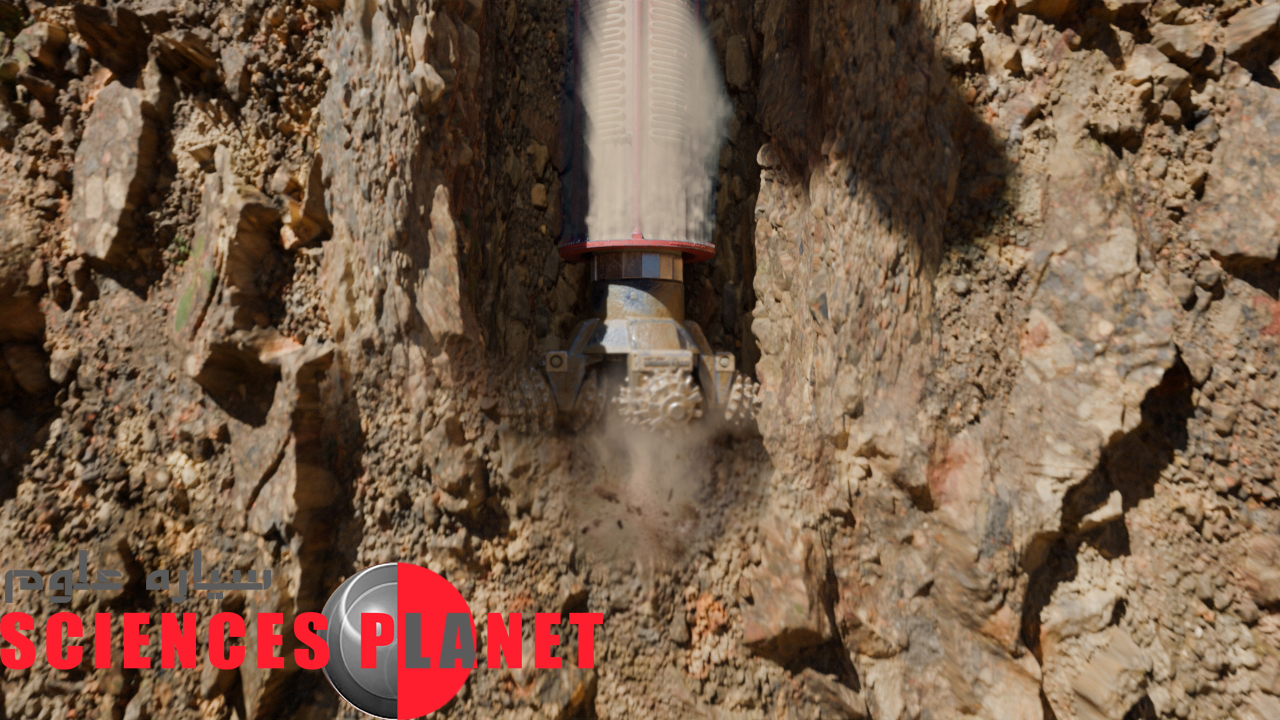
In the final part of this article, as a critic of the use of non-renewable energy sources, I feel it necessary to reiterate the warning of serious environmental concerns arising from the indiscriminate extraction of oil as the main source of fuel in various industries. As we know, huge amounts of oil have been released into the seas many times for various technical reasons or wars. Untreated oil spills cause serious harm to seabirds and marine mammals, making them less able to insulate themselves and subject them to serious damage from hypothermia and temperature fluctuations, and unable to fly. Even the attempts of these mammals and birds to clean themselves lead to swallowing crude oil and destroying their internal organs, ultimately leading to imbalanced metabolism and dehydration. On the other hand, when an oil spill covers the water and blocks sunlight from reaching the surface of the water, marine plants and phytoplankton are seriously damaged because the oil-consuming bacteria drive out other bacteria from the ecosystem. It is a bitter truth that there is no perfect method for cleaning oil from the environment because surface collection of oil from water is limited only by environmental conditions and a large part of the oil that is not on the surface remains in the lower layers of water. Even current methods of burning or dispersants and chemical drugs that break down oil faster, but can easily transfer oil pollution to other parts of the ecosystem. A situation that is unfortunately extremely difficult and sometimes impossible to compensate for in the Earth's ecosystem.
Like other inventions, this idea/invention also has the potential to be developed and further optimized for drilling deeper wells. Using the "New Laser Technology Cooling System Idea" we can greatly assist in deep drilling at much lower costs than traditional mechanical methods and ultimately gain access to clean and endless geothermal energy for electricity generation in all parts of the world.
End of article//
◉ Video of removing limitations on drilling at great depths by developing and improving the cooling system of laser technology / Category: Inventions by Ali Pourahmad
◉ Animation creator of this video: Ali Pourahmad
◉ Music composer of this video: Ali Pourahmad
◉ Narrator: Ali Pourahmad
◉ Language: English
◉ Subtitles: None
About inventor and author of this article:👇


Scientific invention articles related to electricity generation :
◉ A Solution for Plasma stability timing control using two nuclear fusion reactors to create an alternating cycle of energy production
◉ Inventing a power plant that generates electricity from the Earth's rotation in space and transmits the generated electricity to a ground receiver using a laser
◉ Invention of a power plant that generates electricity using gravity and centrifugal force (Gravity Engine 1)
◉ Invention of a power plant that generates electricity using gravity and centrifugal force (Gravity Engine 2)
◉ Invention of a power plant that generates electricity using gravity and suspended wheels (Gravity Engine 3)
◉ Invention of a power plant that generates electricity using gravity and centrifugal force (Gravity Engine 4)
◉ Inventing a power plant that generates electricity using gravity and combined complex physics (Gravity Engine 5)
◉ Invention of using seawater and artificial whirlpools to generate electricity
◉ The invention of using water from deep sea and ocean shores to create artificial dams and generate electricity
◉ The invention of generating electricity from a fluid centrifuge using water, gravity, and centrifugal force
Other inventions by Ali Pourahmad :
◉ Complete list of inventions and published scientific articles by Ali Pourahmad
◉ Scientific inventions by Ali Pourahmad
◉ Ali Pourahmad's science fiction films
◉ Ali Pourahmad Awards
◉ Paintings by Ali Pourahmad
◉ Ali Pourahmad's Instrumental music


Ad

